Image+Nation
Baby

Baby

MARCELO CAETANO | BRAZIL | 2024 | 107 MIN | PORTUGUESE FST

MARCELO CAETANO | BRAZIL | 2024 | 107 MIN | PORTUGUESE FST

IN CINEMAFeatureCOMPETITION

Presented by

Fugues
NOV 23 / 21:15Concordia University | Sir George Williams Alumni Auditorium (H110) 1455 boulevard De Maisonneuve O. Montréal QC H3G 1M8 (métro Guy-Concordia)

Synopsis

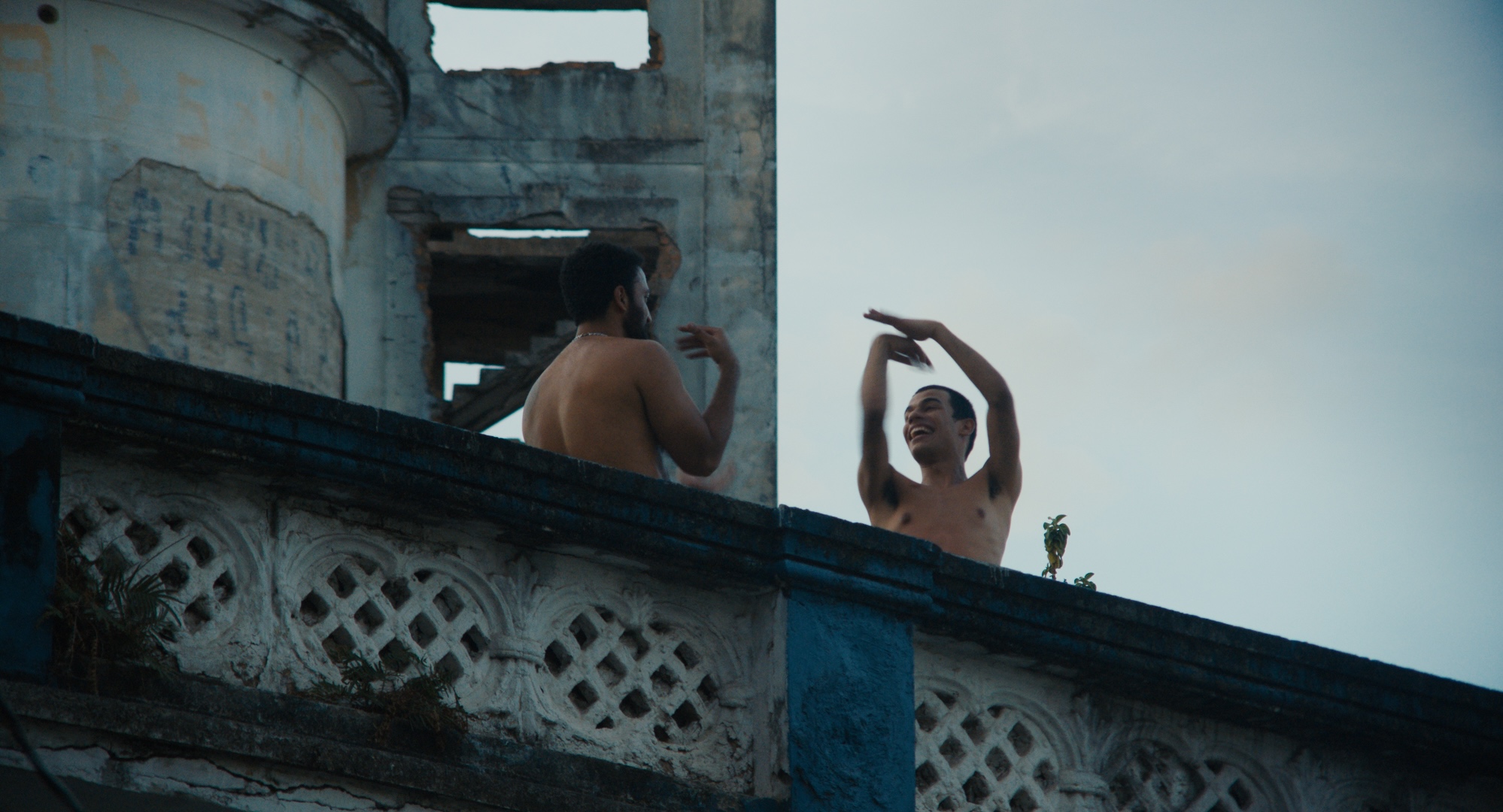
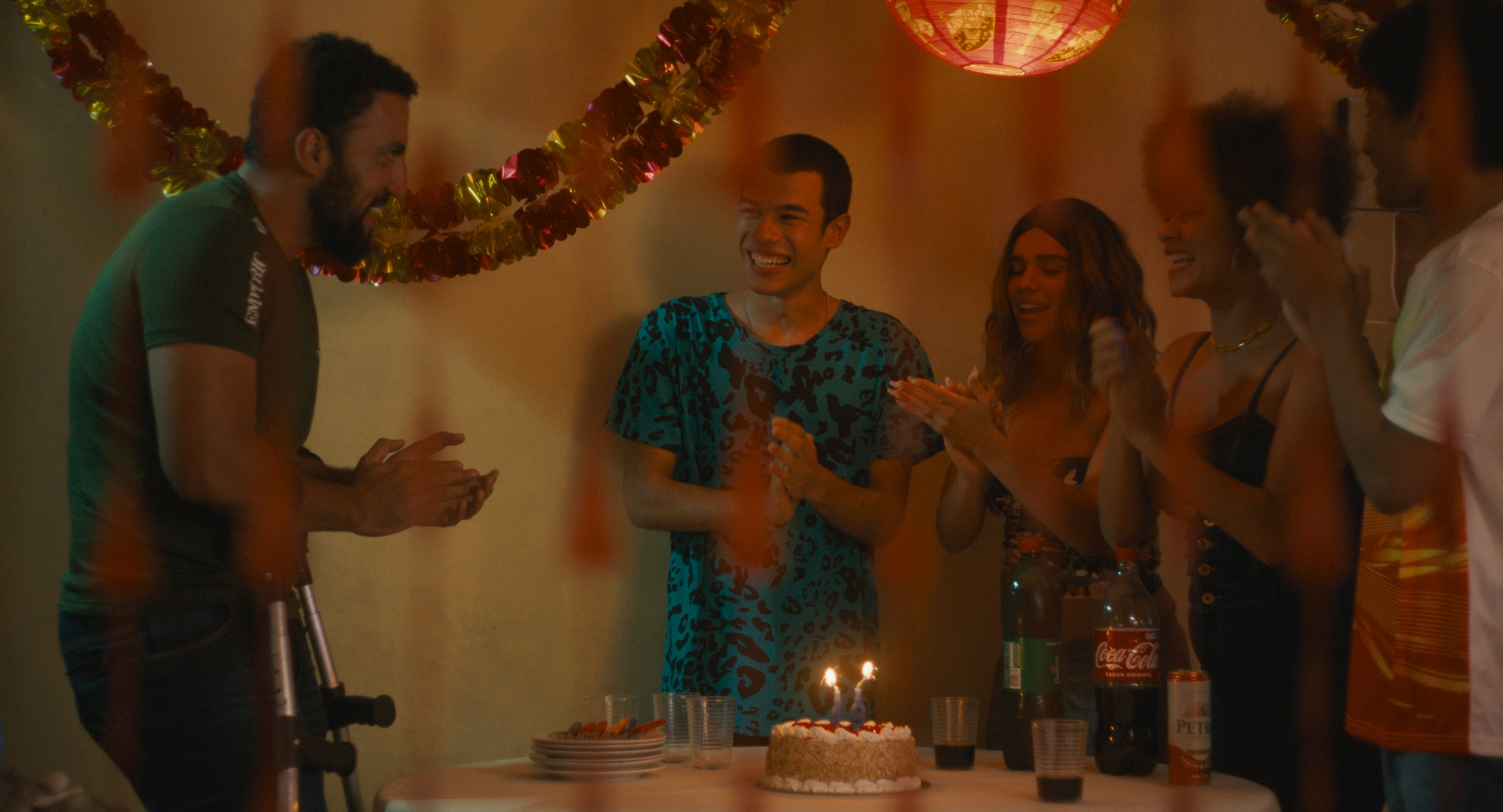
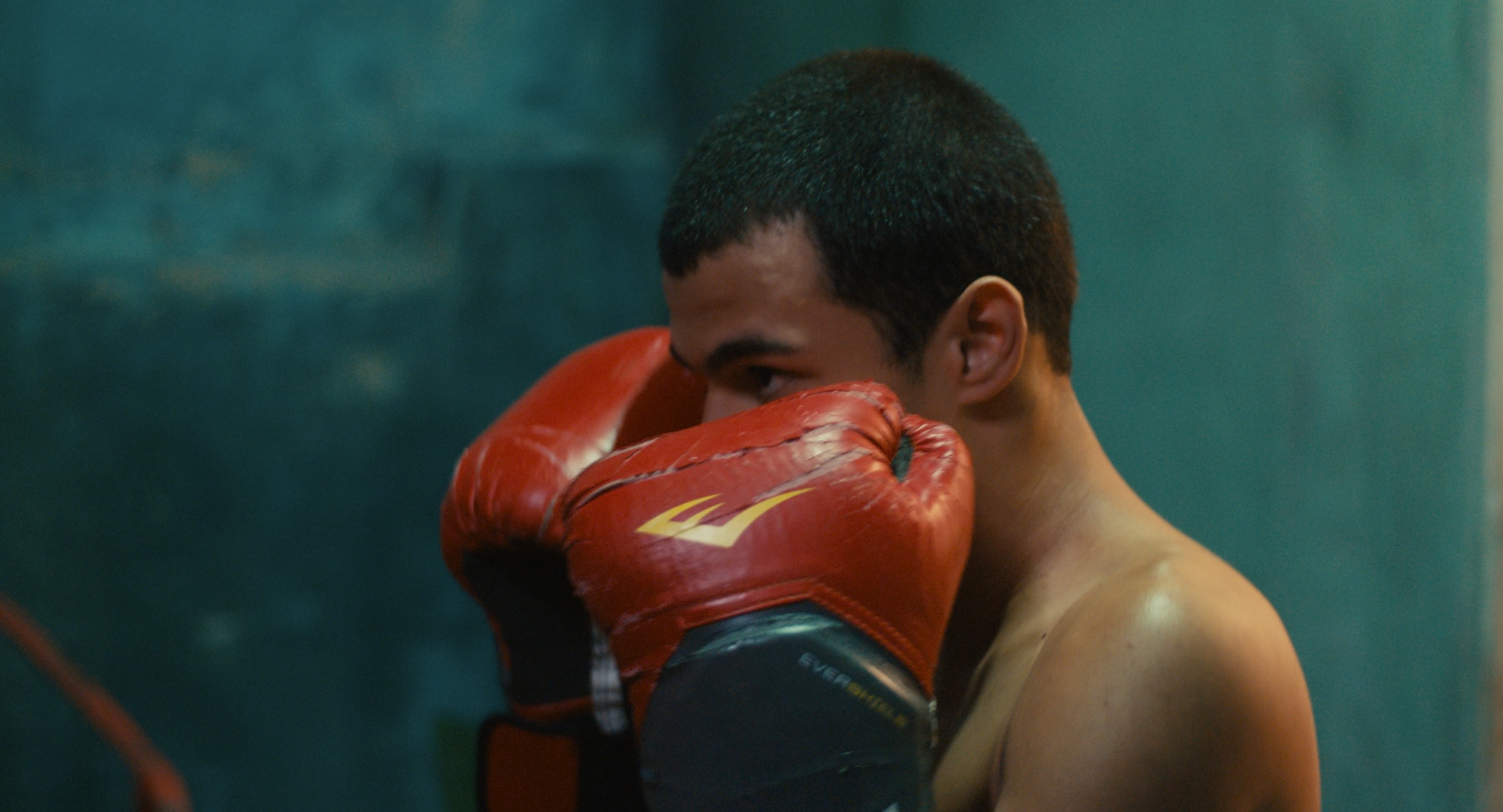
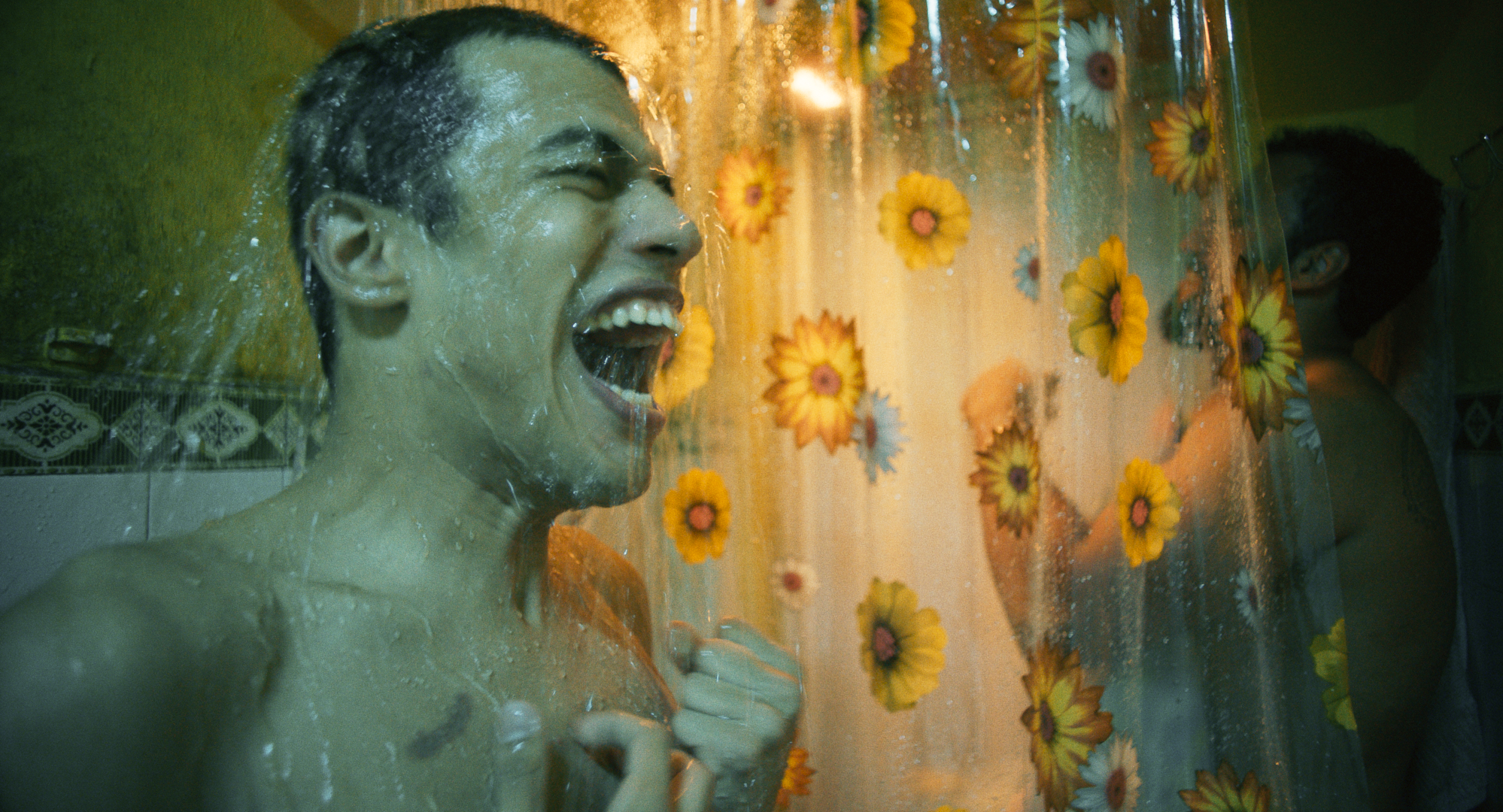
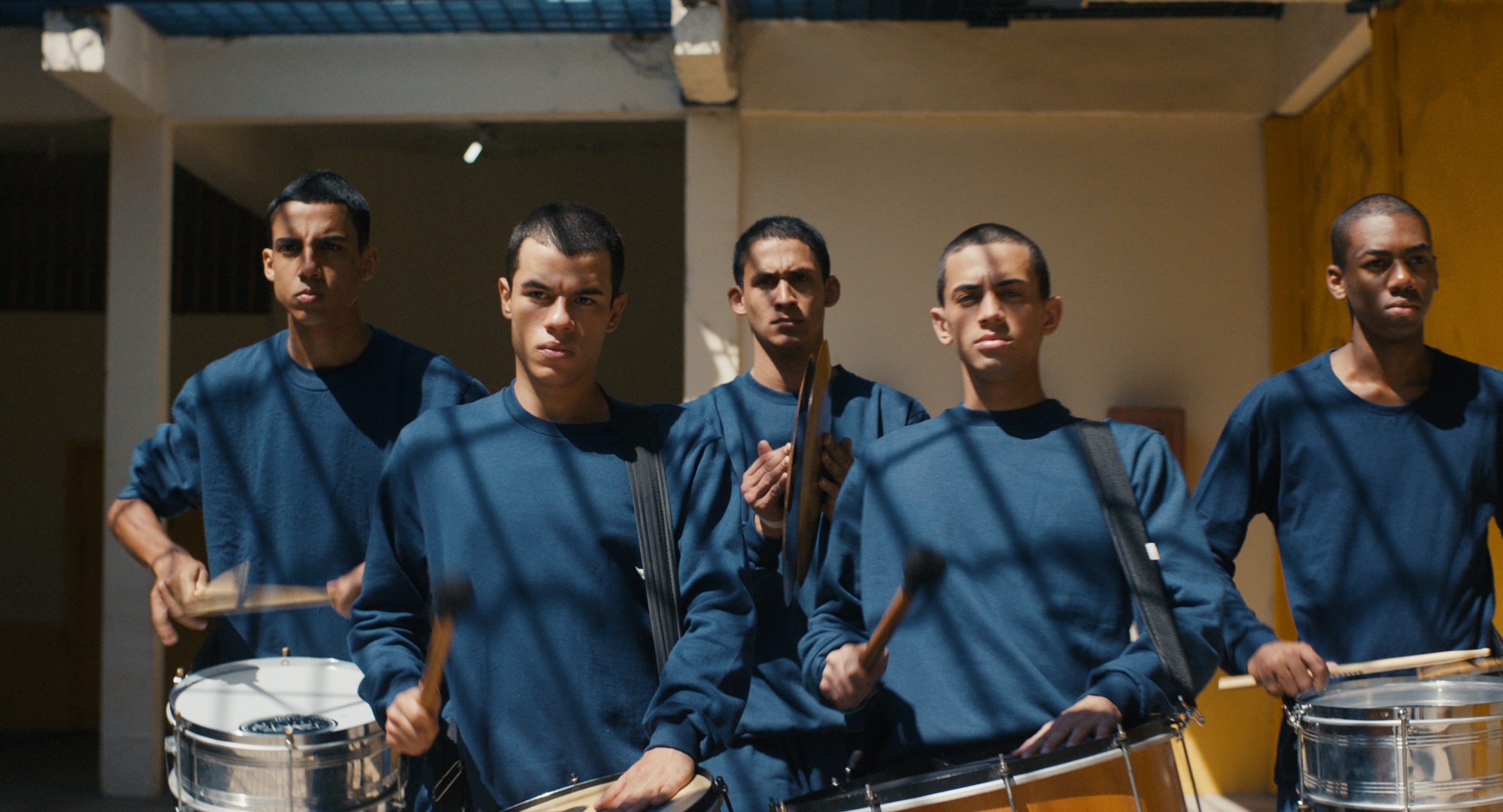
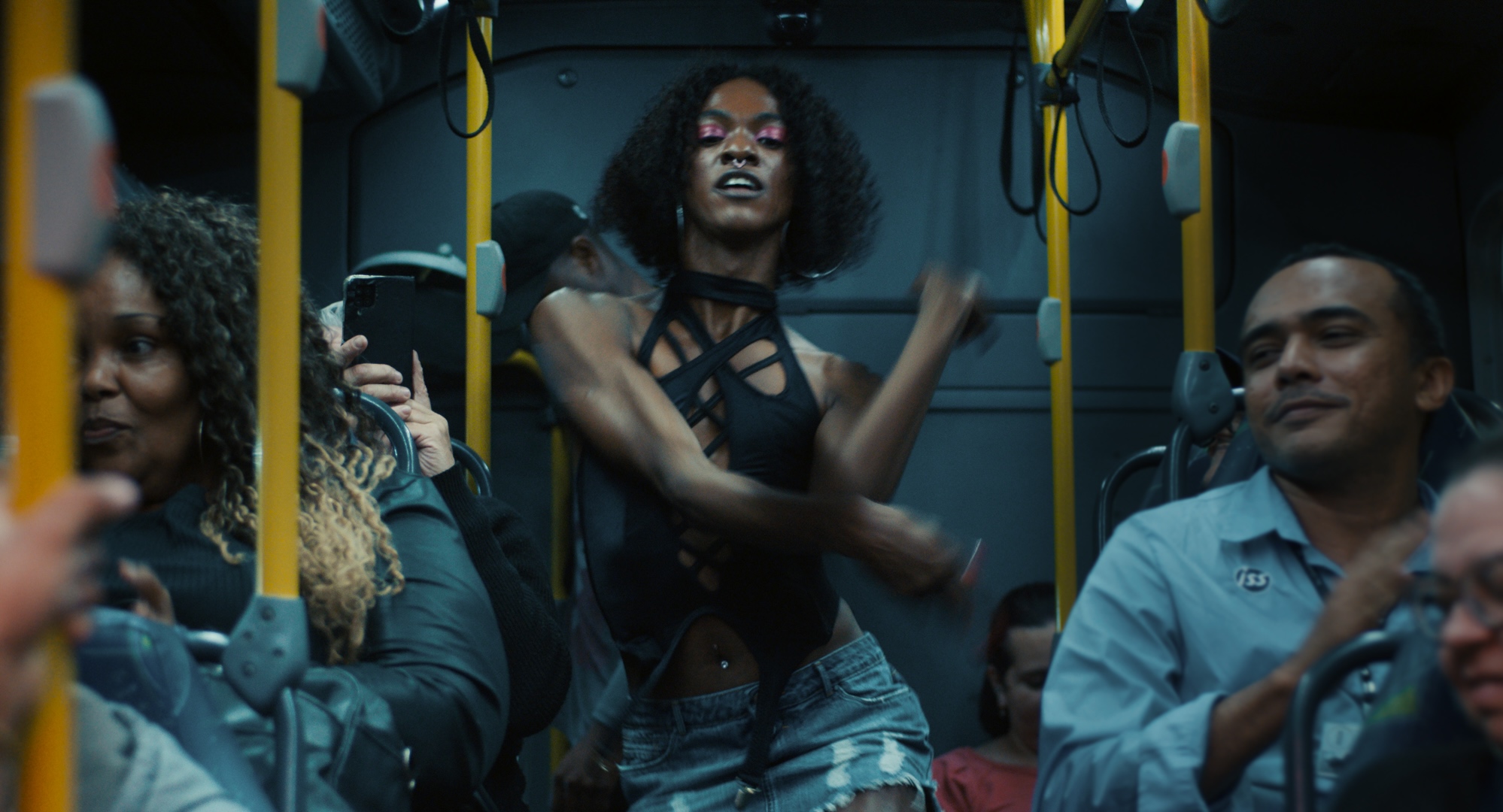
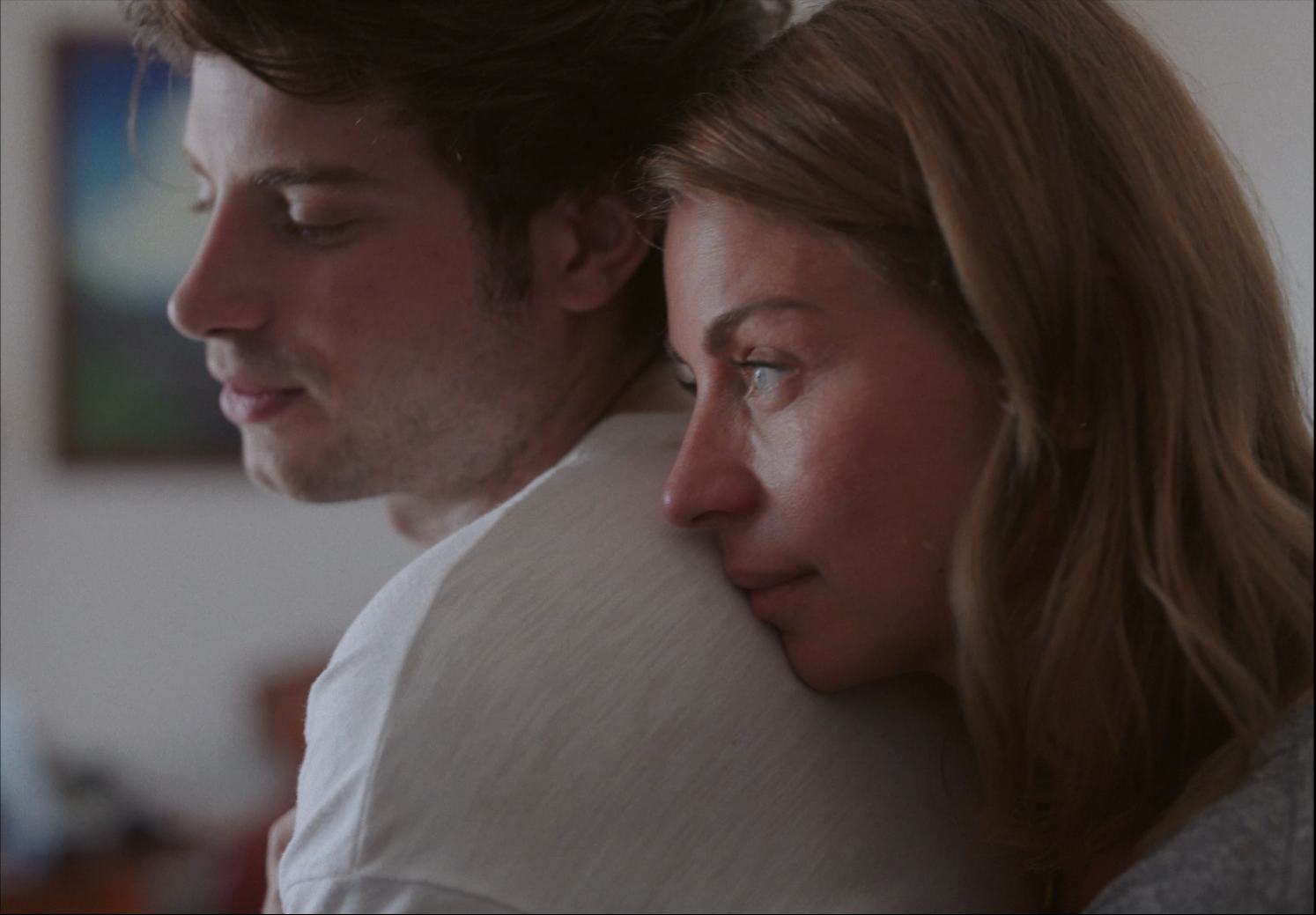
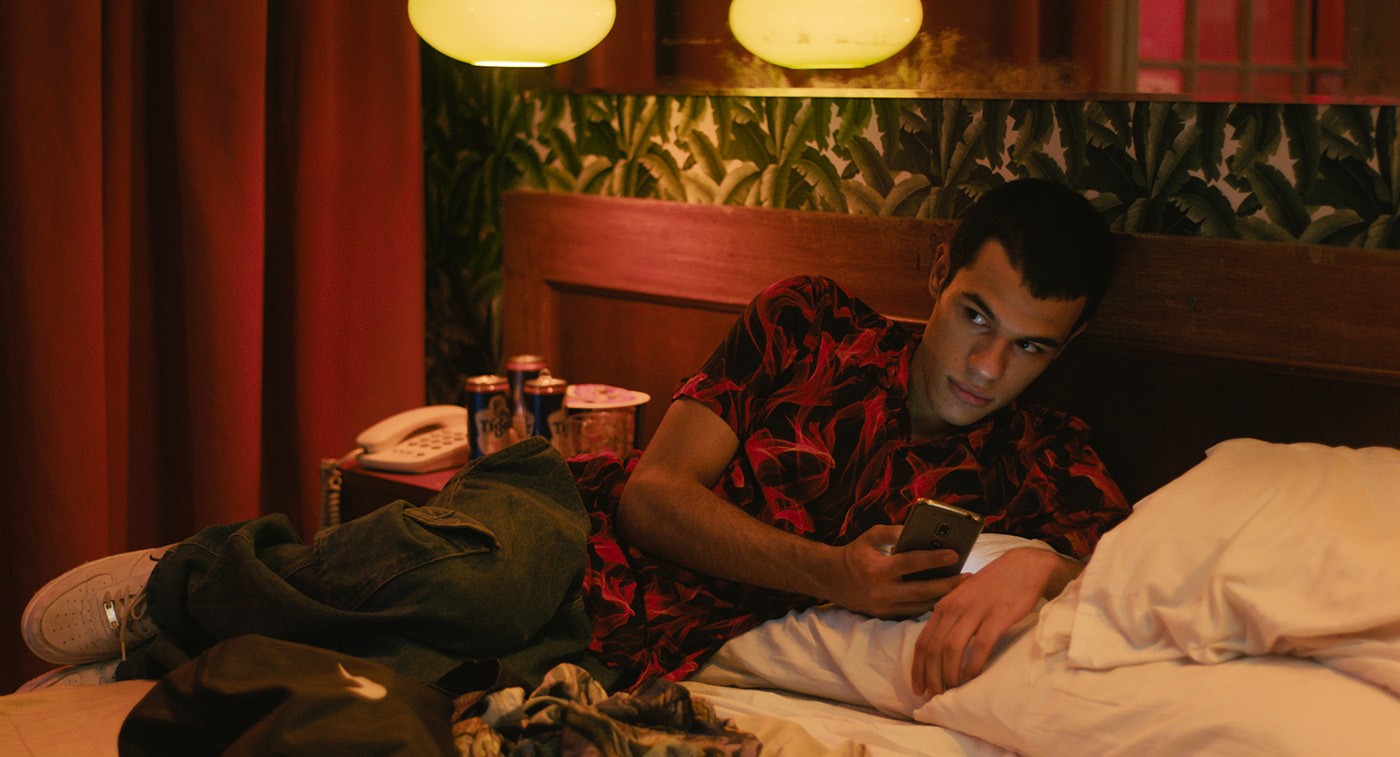
PORTUGUESE • FRENCH ST | Wellington (defiantly nicknamed Baby) trades his detention centre cell for the streets of São Paulo, absorbed into the life of an in-demand “escort” with old school methods. Torn between this erotic father figure, two chosen families, and the mother who left him, Wellington must discern which link is the strongest. Against a backdrop of corrupt cops, vengeful kingpins, and Brazilian ball culture, maybe-18-year-old Wellington (João Pedro Mariano) falls for 42-year-old sex worker cum drug dealer Ronaldo (Ricardo Teodoro), who has a son not much younger than Wellington being raised by lesbian mothers. The two share a charged, teasing bond with yo-yoing power dynamics. Wellington softens Ronaldo, schooling him in voguing’s ebullience and showing him his battle scars, while Ronaldo grounds his protege, giving him boxing lessons while doling out paternal advice and setting strict boundaries. Boundaries that Ronaldo is desperate to maintain and Wellington comes to resent when youthful potential and a biological parent draw him away. Propelled by Marcelo Caetano’s stylish direction, this gritty coming-of-age tale wrestles with themes of love and coercion, considering what’s still possible for a restless heart when a ‘baby’ becomes a man.

Trailer

Filmmaker Bio

Marcelo Caetano, born in the State of Minas Gerais but now based in São Paulo, directed the feature film Body Electric which premiered in Rotterdam in 2017. He also directed the TV series Hit Parade and Noticias Populares both broadcasted on Canal Brasil. He has worked on various productions as an assistant director and casting producer. In 2009, Marcelo co-founded Desbun Filmes.

Producer

Stienette Bosklopper, Marcelo Caetano, Juliette Lepoutre, Ivan Melo, Pierre Menahem, Ana Rabelo, Maarten Swart, Beto Tibiriça

Writer

Marcelo Caetano, Gabriel Domingues

Cinematographer

Joana Luz, Pedro Sotero

Cast

  • João Pedro Mariano
  • Ricardo Teodoro
  • Ana Flavia Cavalcanti
  • Bruna Linzmeyer
  • Luiz Bertazzo
  • Marcela Varzea
  • Patrick Coelho
  • Kyra Reis
Image
Image
Image
Image
Image
Image
Image
Image
Image
Image
Image
Image

PARTNERS

Fugues

You might also like

PosterCompetitionFeature
Competition Icon
Thereafter (Después)[COMPETITION]97 minutes

Jorge is tousled and handsome, seemingly carefree, shouldering changes with cheerful resignation. But after his sudden death, his young mother and best friend, Carmen, is left grief-stricken, forced to reckon with the veracity of her son’s life, including his two lovers—one female, one male—left wondering why he’s ghosted them. At first, Carmen (Ludwika Paleta) refuses all comforts in the wake of her son’s death, cared for, despite her protests, by her kindly queer brother (Darío Rocas). Then, she goes digging. According to Jorge’s estranged father (Luis Velazquez), Jorge (Nicolás Haza) was depressed shortly before he drowned in the sea. Is this true—if so, why? And is this enough to prove his death was intentional? The search for answers will acquaint Carmen with Jorge’s jilted girlfriend (Adriana Palafox) and lovesick boyfriend (Alan Oliva), and reconcile her with a passion for music that hounds her even when she tries to leave it behind. In this expertly crafted tearjerker, writer-director Sofía Gómez-Córdova uses seamless flashbacks and home videos of happier times to reveal who the characters were. And Ludwika Paleta’s blistering performance-of-a-lifetime shows us who Carmen may be in the Thereafter.

PosterCompetitionDocumentaryVIRTUAL EXCLUSIVE
Competition Icon
Si je meurs, ce sera de joie (If I die, It'll be of Joy)[COMPETITION]80 minutes

Outspoken Micheline (81) and sensitive artist Yves (68) have “insatiable” longings for sexual and relational intimacy. Francis (70) is a proudly “loudmouth(ed)” activist who wants to ensure that yearnings become reality. All, under the banner of Grey Pride, have no less an ambition than to change the world. Able to detect, as a minority, things that are unjust to all, queer seniors in France are revealing universal truths about the cult of youth and the medicalization of old age. These Grey Priders are combatting indifference, overhauling the nursing home model, and rethinking how spaces for the elderly accommodate libidos. Micheline, Yves, and Francis may have had their sex lives stifled by repression, loneliness, or AIDS, but they are far from ready to enter “The Zone” of societal relegation. They are prepared to take on embedded prejudices, as well as partners and friends with divergent views on death, in their revolutionary intentions. With stirring poeticism—seasons redolent of adaptation; trees symbolizing how bodies bend or break; desire represented by a glowing red sex toy—filmmaker Alexis Taillant shows us what it means to live “a quiet, wild life.”

PosterCompetitionDocumentaryVIRTUAL EXCLUSIVE
Competition Icon
Nanekawâsis[Indigiqueer]80 minutes

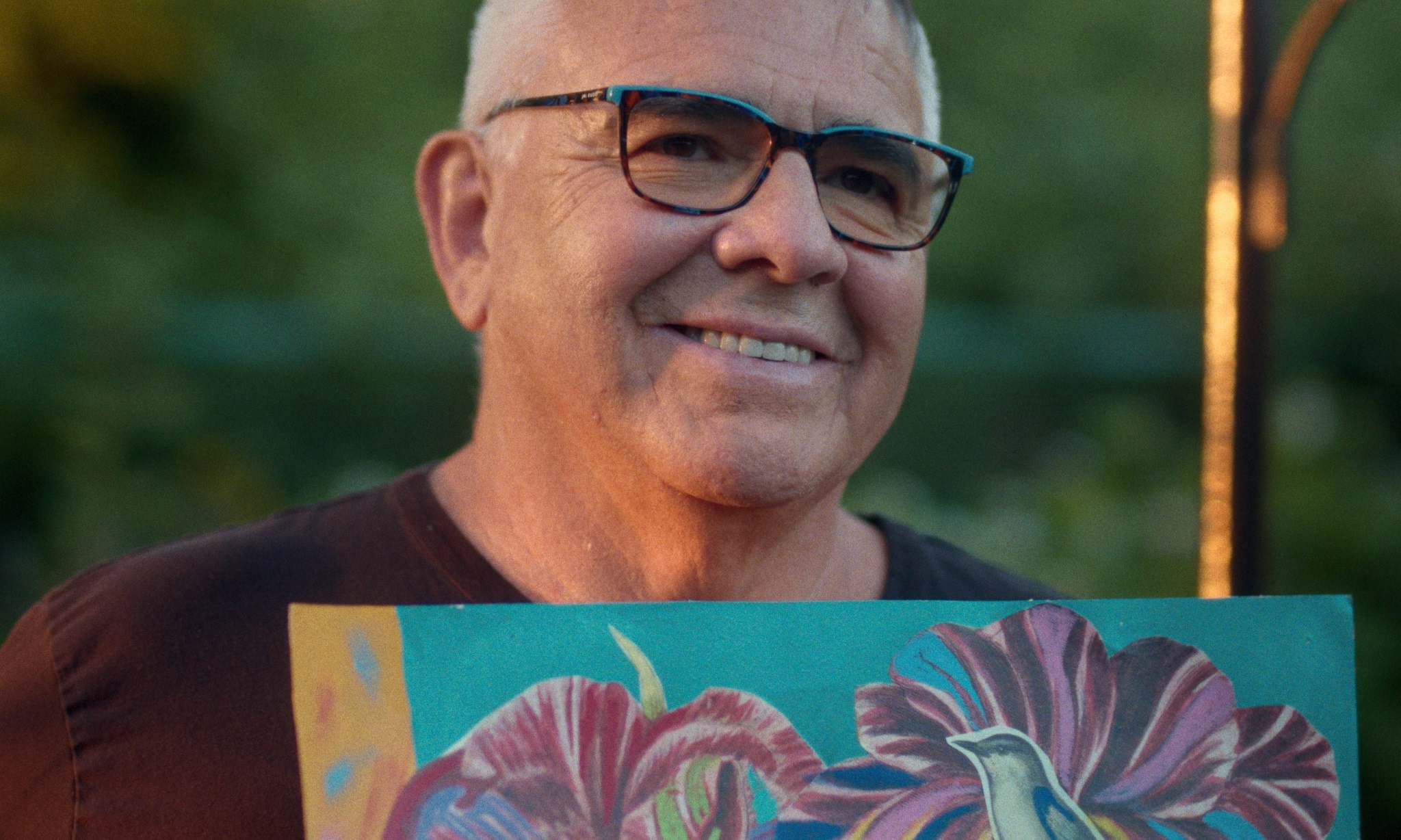
The work of Two-Spirit, nêhiyaw (Cree) artist George Littlechild took the reality of residential schools head-on decades before it would enter the collective Canadian conscience. A Sixties Scoop survivor, Littlechild uses his “whimsical,” improvised technique to unlock colourful exuberance and long-held trauma. Conor McNally, a Métis filmmaker, honours his journey. Littlechild was given his great grandfather’s name, nanekawâsis, at a Powwow in 2001. Both Littlechild and the eponymously named film embody its meaning: “swift child.” As we pay witness to a childhood shuffled between foster homes and Littlechild’s emergence as a fleet-fingered artist, the documentary makes fluid connections between past and present. Archival footage blends with warmly tinted 16mm interviews of 65-year-old Littlechild, still evolving in his practice, still passing on his deeply felt knowledge of his ancestry and “Rainbow” spirit. Whereas his partner, John Powell, uses art to govern his freewheeling tendencies, Littlechild harnesses paint to break free of his circumscribed daily life, healing himself and his audience through enlightened transcendence. nanekawâsis begins and ends with a sky full of colour, beautifully eliding time, revealing how light and dark, expectancy and reflection are all indispensable parts of life’s circle.

PosterMade au CanadaCompetitionFeature
Made au Canada IconCompetition Icon
We Forgot to Break Up[I+N Connexe]93 minutes

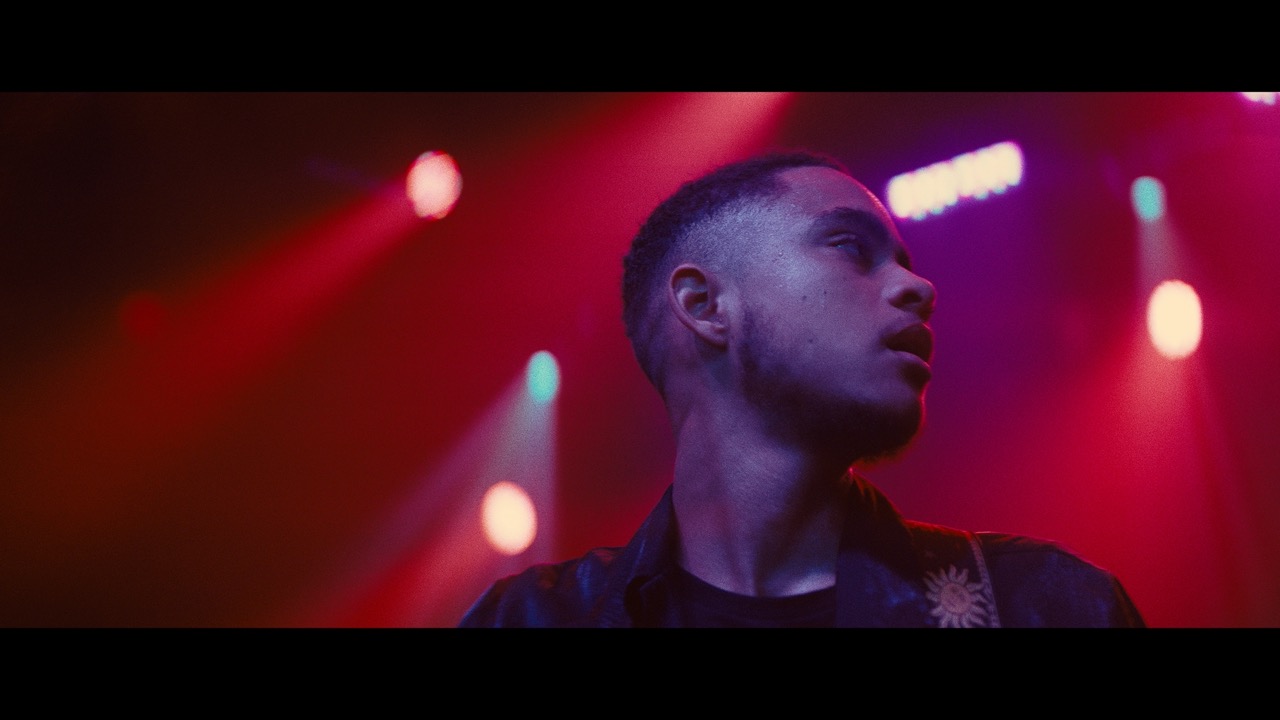
In the vein of the Tony award-winning musical Stereophonic, this must-see drama is a Behind the Music-style glimpse of a 2000s Toronto indie band with Fleetwood Mac-like flare ups. With a trans frontman and queer members, The New Normals break boundaries while breaking one another’s hearts. Building off the source material, the novel Heidegger Stairwell by Kayt Burgess, Karen Knox maintains balletic control of multiple perspectives and aesthetics, following how each of the five core members handles firsts: first music video, first phone sex job, first love triangle. Music saves this close-knit crew from quarrels when it’s not causing them, but it’s the in-fighting, the “threads of connection and tension” that keep their audience hungering for more. Will the trans frontman (Lane Webber) stay with his queer girlfriend and songwriting partner (June Laporte) or find a different tune with Lugh (Daniel Gravelle)? Will the band survive or live on only in tribute? These concerns converge in a film charged with envy, creative friendship, and reckless love, and chock-full of pedigreed talent, including co-writing credits from award-winning Canadian writer, Zoe Whittall and festival alumni, Pat Mills as well as original songs from Stars’ Torquil Campbell.

PosterMade au CanadaCompetitionDocumentary
Made au Canada IconCompetition Icon
Bulletproof: A Lesbian's Guide to Surviving the Plot[I+N Connexe]105 minutes

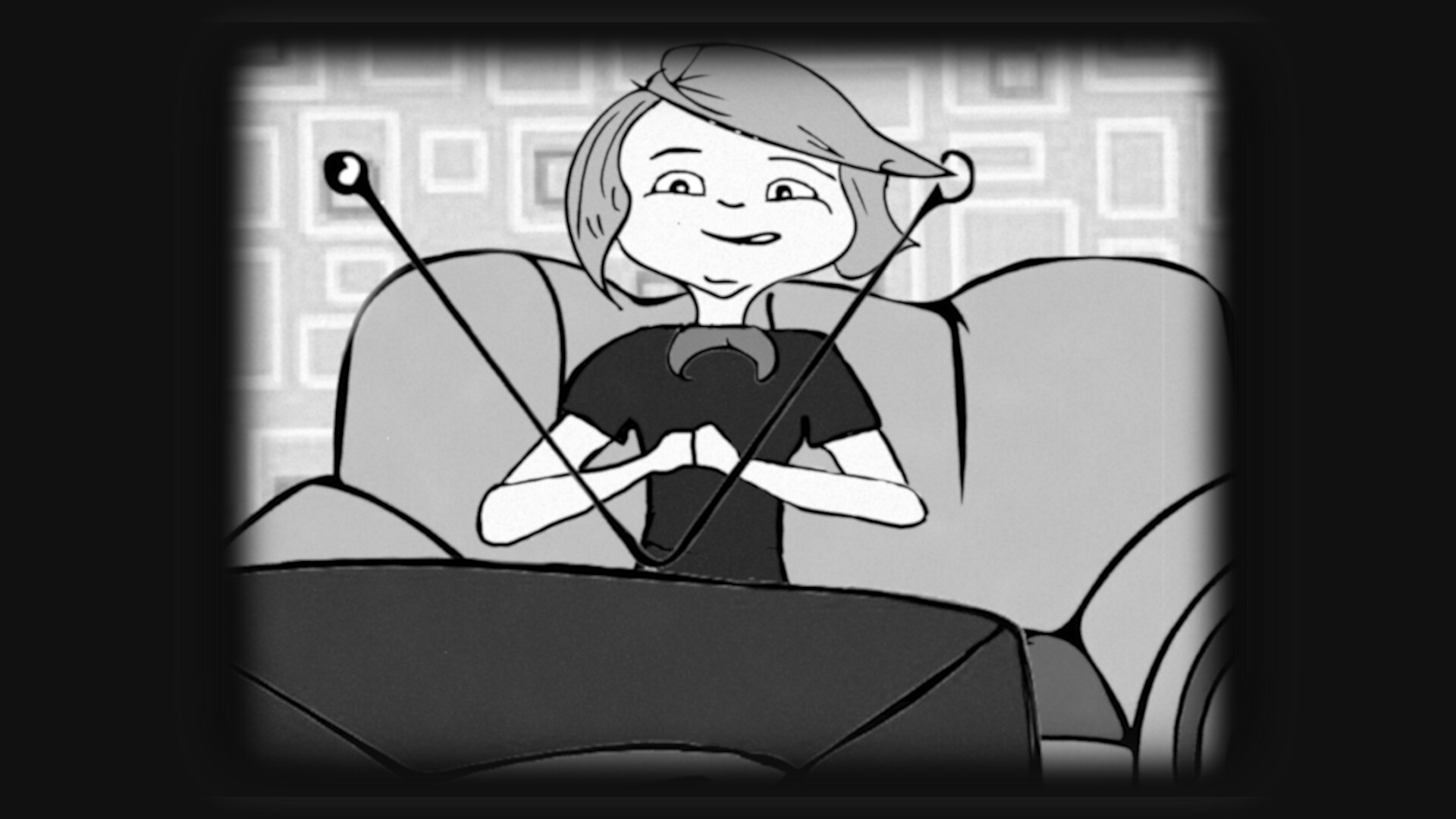
Spoiler alert: chances are if you were watching television in spring 2016, you witnessed the startling peak of the Bury Your Gays trope. LGBTQ+ females from Buffy’s Tara to The 100’s Lexa have gotten the axe and this wry exposé investigates the dismaying trend and ensuing sea change. Bouncing back and forth from Toronto to culture hubs like L.A. and London, Bulletproof unfolds like the plot of a great mystery. There are the victims: queer female characters. The murderers: harried television writers, showrunners, and producers who, for a myriad of reasons that the doc unpacks, have chosen to kill off fan-favourites. And then there are the detectives: a “rainbow network” of journalists, media psychologists, fan community leaders, and many more who dissect the catalysts and impacts of shifting queer depictions. Not to mention the documentarian themself, “gay as hell” TV junkie Regan Latimer on year six of what was supposed to be a one year project, uncovering personal, societal, and scientific revelations alongside their wise-cracking on-screen surrogate, Lindy Zucker. Through clever references and animation, Bulletproof proves that representation has life-or-death stakes and fantasy can be as essential as reality.

PosterCompetitionFeatureVIRTUAL EXCLUSIVE
Competition Icon
Sebastian[COMPETITION]111 minutes

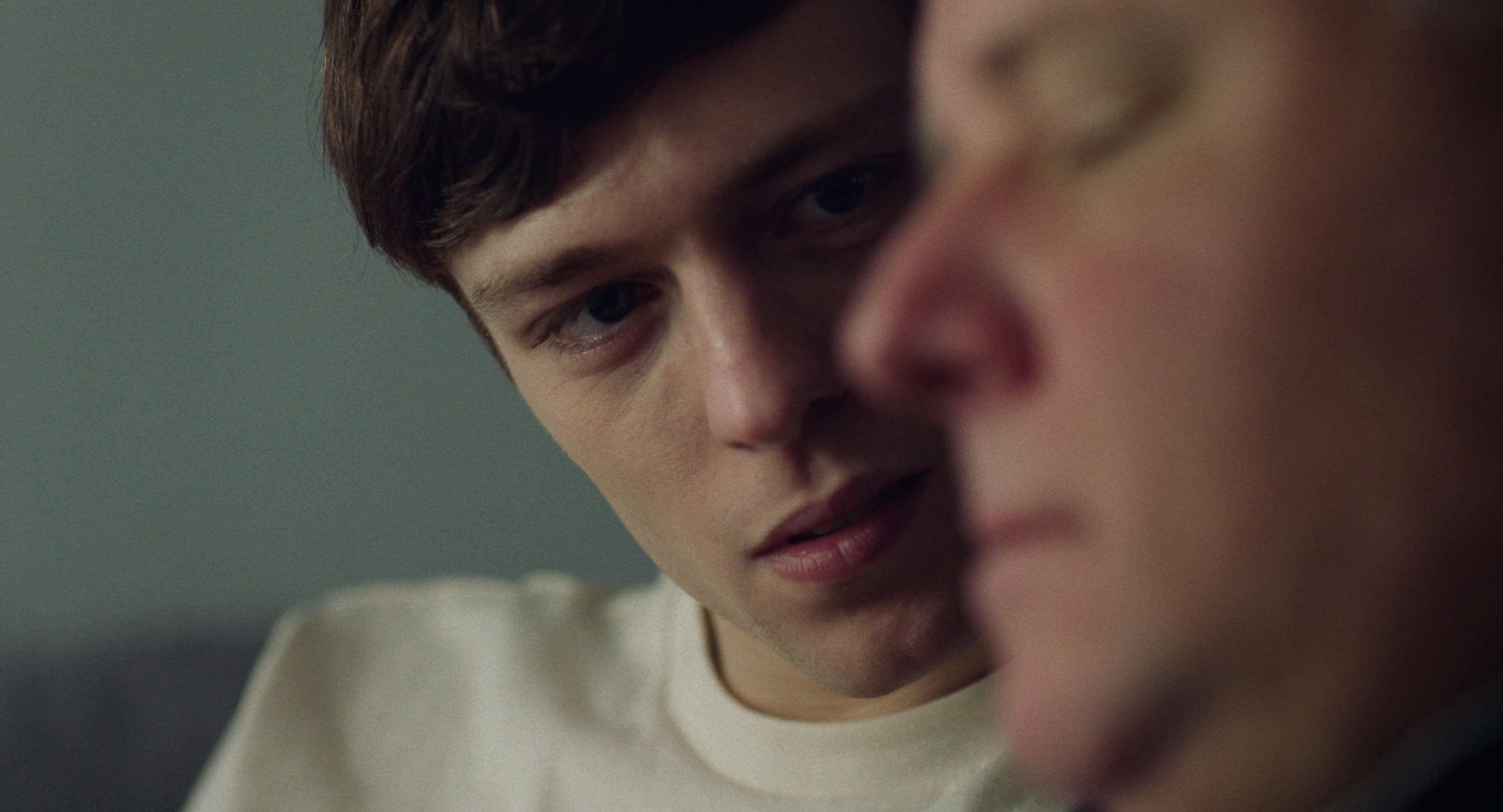
Determined to breathe new life into the queer stock character of the sex worker, budding writer Max (masquerading as Sebastian) becomes a “digital hustler” while bathing in the words of Bret Easton Ellis. What starts out as novel fodder becomes a high-stakes balancing act between liberation and exploitation. Close-lipped and leery of scrutiny, even the publicness of social media, “wholesome boy next door” Max (Ruaridh Mollica) is able to act out his “desire to taste everything” in London bedrooms. First with older men, including the kind and curious Nicholas (Jonathan Hyde), then with more daring configurations. But when shame unexpectedly creeps into his initial, unfettered view of the sex trade, Max finds everything from his book proposal to his very sense of self tested. Before he lets his obsession with how he’s perceived subsume him, he must decide what kind of writer he will be, what kind of lover, what kind of man. His finger on the cultural pulse, Indiewire’s LGBTQ+ Filmmaker on the Rise Mikko Mäkelä (A Moment in the Reeds, I+N31, 2018) pits the coldness of market forces against the beating of a warming heart to see which—in the 21st century—will endure.

PosterQueerment QuébecCompetitionShort
Queerment Québec IconCompetition Icon
Extras[COMPETITION]15 minutes

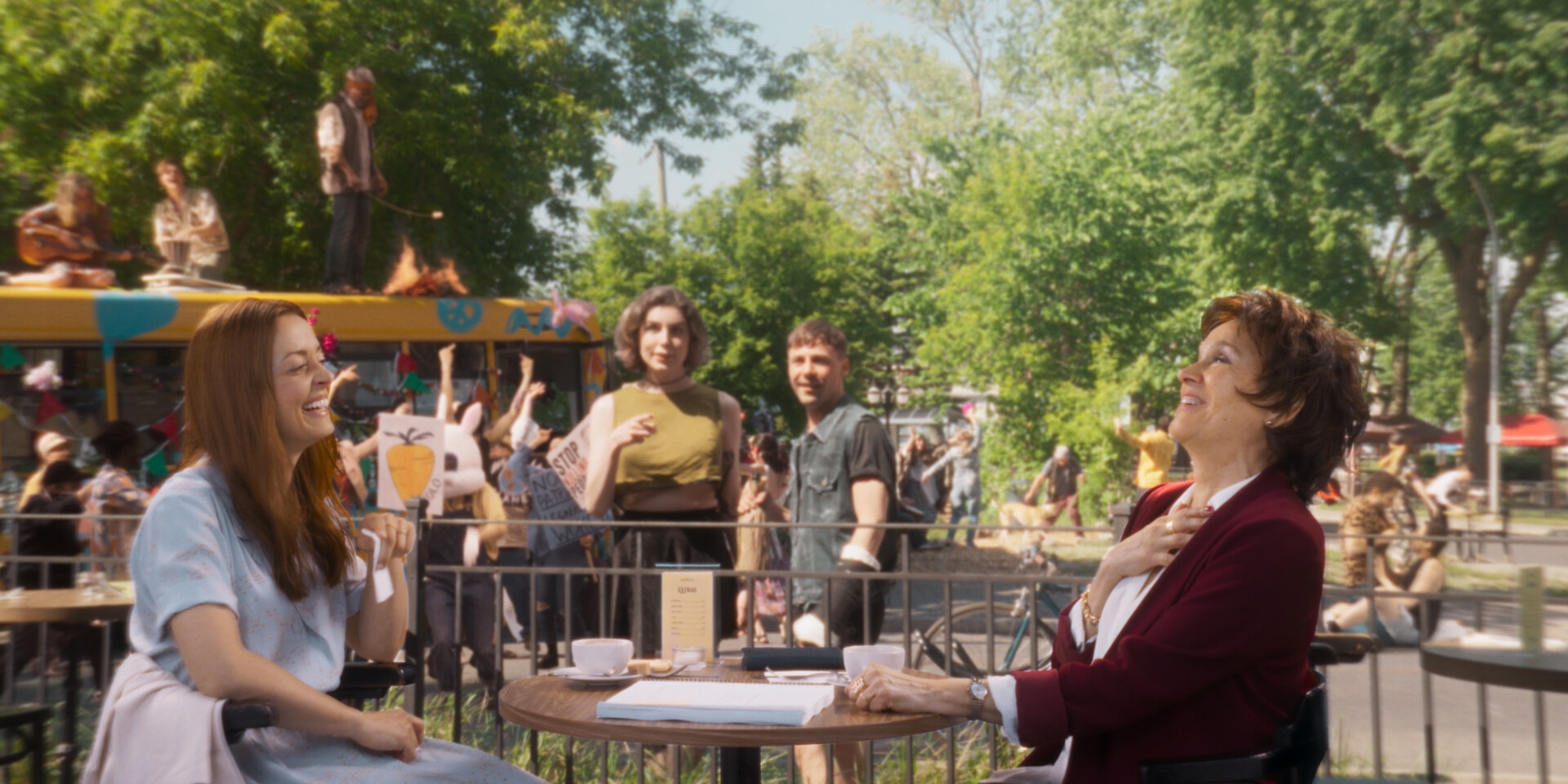
EXT. DAY - A sunny Sunday morning on a café terrace: Isabelle, an actor whose career is in a rut, meets Johanne, her agent, who might have a new part for her. Tension mounts both at the table and in the surroundings. Will expectations be met?

PosterMade au CanadaCompetitionFeatureVIRTUAL EXCLUSIVE
Made au Canada IconCompetition Icon
Drive Back Home[MADE AU CANADA]100 minutes

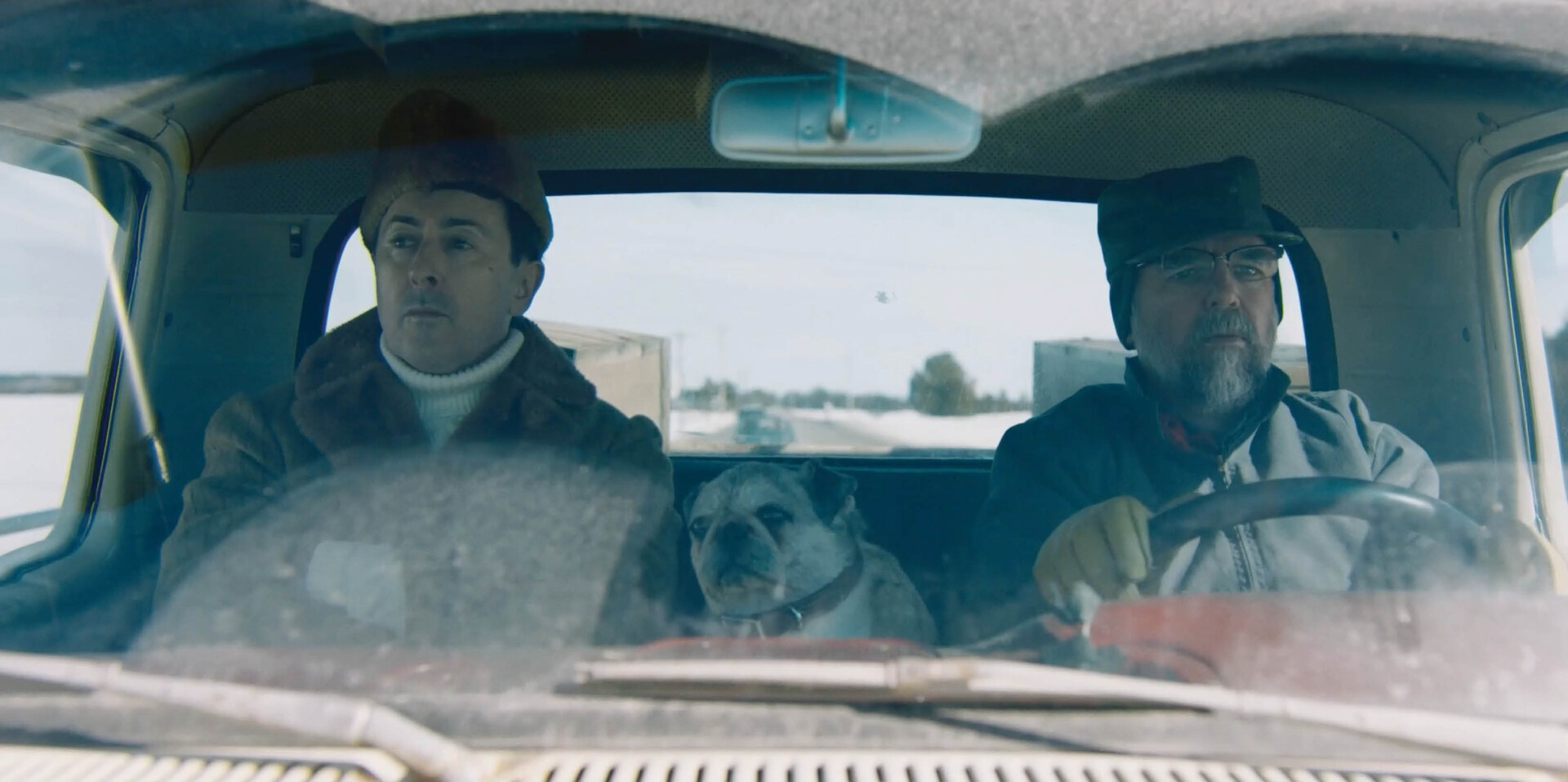
Inspired by true events, in 1970 an unorthodox mother sends her offbeat son from New Brunswick on a wintry cross-country mission past Quebec to retrieve his brother from Toronto after a public sex violation. Antics ensue in the Two-Solitudes atmosphere, bursting with revealing humour about brotherly love and French-English relations. In bravura performances, Alan Cumming plays motormouth Perley—dressed in an ushanka and ascot, taxidermied dog tucked under his arm—and Charlie Creed-Miles is Weldon—a gruff stoic in crooked glasses. These oddball siblings travel through frozen nights and across the language divide as they bicker, break down, and ultimately bond in their journey through central and eastern Canada. Weldon forced to confront the reality of Perley’s homosexuality (and his abject fear of being required to speak French) as he processes a horrific event from their past. After a lifetime of shutting down, a new set of dire circumstances has them opening their ears to hear one another’s stories. Award-winning filmmaker Michael Clowater, a master of wringing humour from pain, never loses sight of Perley and Weldon’s essential humanity among the pratfalls and bigotries, embedding beautiful truths in the film’s engrossing frictions.

PosterCompetitionDocumentaryVIRTUAL EXCLUSIVE
Competition Icon
Desire Lines[COMPETITION]81 minutes

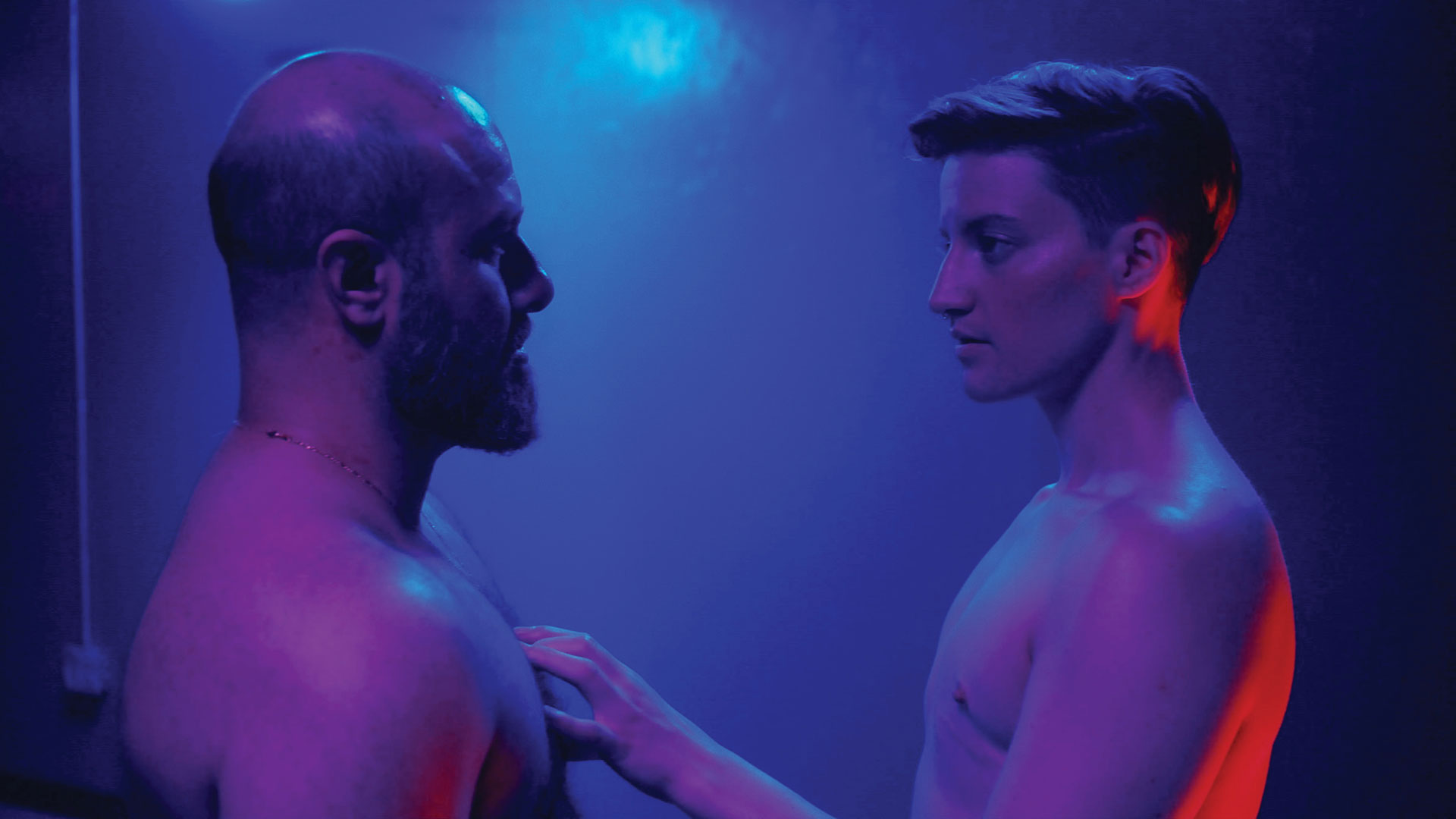
Struck by “archive fever,” a gay transmasculine Iranian-American searches for the roots of his desire. Navigating with us through this steamy hybrid documentary, he comes into contact with trailblazing transcestor Lou Sullivan, the contemporary lived experiences of other queer men, and the eroticism of his own unique body. With the assistance of young non-binary archivist Kieran (Theo Germain), older transman Ahmad (Aden Hakimi) delves into Chicago’s LGBTQ+ archives and the past and present bathhouses of Boystown to explore his homosexual longing. He learns—as we do through the real-life interviews and the history of raids and radical action that nest within this fictional storyline—that there is no one answer. There are as many points of view as there are interviewees. Archival footage of Lou Sullivan, who openly identified as trans and gay as far back as the 1970s, shows that though these conversations are not new, they are still very much necessary, connecting transmasculine gay men with themselves and the larger community. Jules Rosskam’s narratively frisky and hugely affecting film is a celebration of complexity, working to dissolve rigid labels and authoritative permission when it comes to narrating one’s own sexuality.

PosterCompetitionFeatureVIRTUAL EXCLUSIVE
Competition Icon
Out (EN)[ZEITGEIST]95 minutes

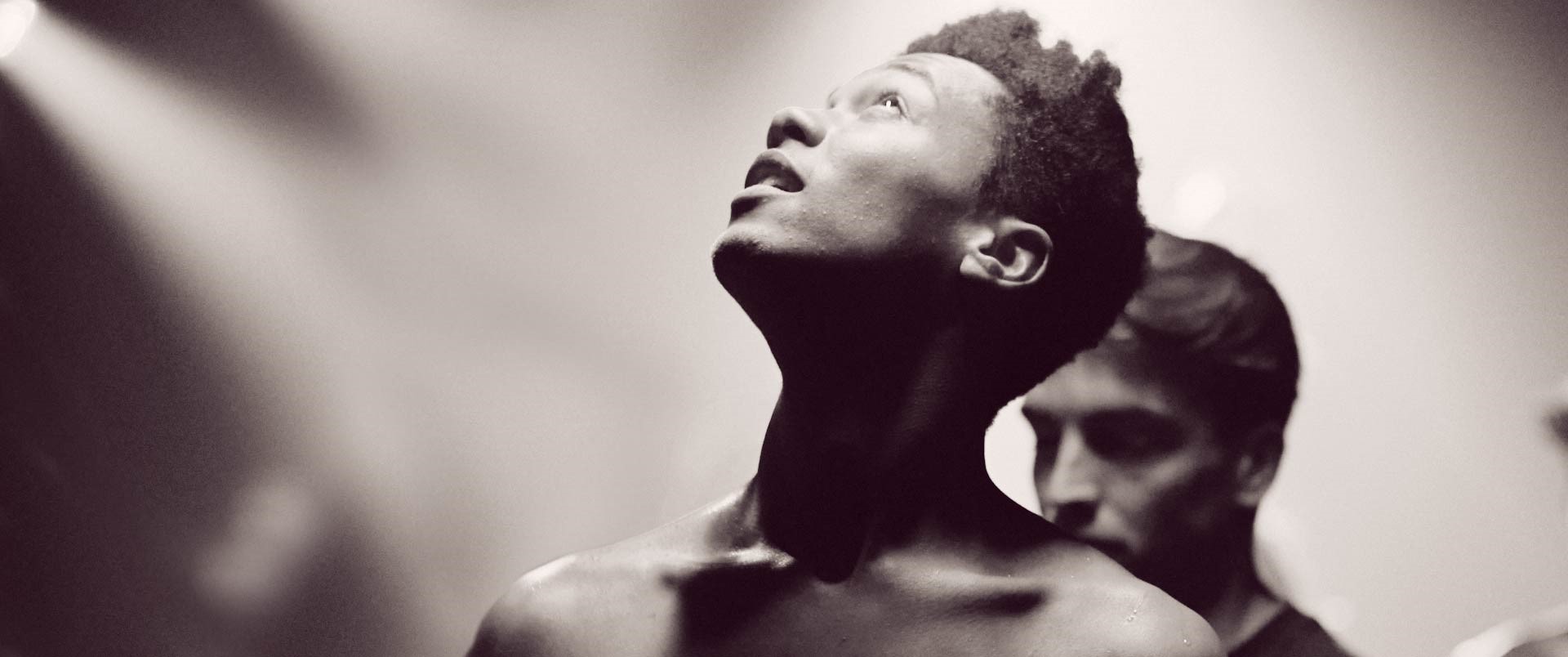
DUTCH • ENGLISH ST | Capturing the recklessness of youth and the excitement of newfound sexual liberties in sensuous black-and-white cinematography, Dennis Alink’s Out offers up a vivid and tender tale of being young and gay. Tom (Bas Keizer, in a star-making performance) and Ajani (an effervescent Jefferson Yaw Frempong-Manson) are closeted secondary school sweethearts who yearn for life outside of their small-minded, rural community in the Netherlands. Their solution is Amsterdam, where the queer scene is thriving and they can work at their dreams of becoming filmmakers. Quickly falling into the Dutch capital’s gay nightlife offers the pair some initial thrills: cheeky games of Never Have I Ever, limo rides across the city, eye-opening trips to the bathhouse. But the challenges quickly follow, pushing them to separately question: “Who am I, and where do I fit in?” Recalling such classic monochromatic films about wayward youth as The Last Picture Show and Gus Van Sant’s Mala Noche, Alink and his queer collaborators present a lived-in, piercing portrait that proves coming out isn’t just a pronouncement of one’s sexuality, it’s a simultaneously joyous and heartbreaking journey of self-discovery.

PosterCompetitionFeature
Competition Icon
Thereafter (Después)[COMPETITION]97 minutes

Jorge is tousled and handsome, seemingly carefree, shouldering changes with cheerful resignation. But after his sudden death, his young mother and best friend, Carmen, is left grief-stricken, forced to reckon with the veracity of her son’s life, including his two lovers—one female, one male—left wondering why he’s ghosted them. At first, Carmen (Ludwika Paleta) refuses all comforts in the wake of her son’s death, cared for, despite her protests, by her kindly queer brother (Darío Rocas). Then, she goes digging. According to Jorge’s estranged father (Luis Velazquez), Jorge (Nicolás Haza) was depressed shortly before he drowned in the sea. Is this true—if so, why? And is this enough to prove his death was intentional? The search for answers will acquaint Carmen with Jorge’s jilted girlfriend (Adriana Palafox) and lovesick boyfriend (Alan Oliva), and reconcile her with a passion for music that hounds her even when she tries to leave it behind. In this expertly crafted tearjerker, writer-director Sofía Gómez-Córdova uses seamless flashbacks and home videos of happier times to reveal who the characters were. And Ludwika Paleta’s blistering performance-of-a-lifetime shows us who Carmen may be in the Thereafter.

PosterCompetitionDocumentaryVIRTUAL EXCLUSIVE
Competition Icon
Si je meurs, ce sera de joie (If I die, It'll be of Joy)[COMPETITION]80 minutes

Outspoken Micheline (81) and sensitive artist Yves (68) have “insatiable” longings for sexual and relational intimacy. Francis (70) is a proudly “loudmouth(ed)” activist who wants to ensure that yearnings become reality. All, under the banner of Grey Pride, have no less an ambition than to change the world. Able to detect, as a minority, things that are unjust to all, queer seniors in France are revealing universal truths about the cult of youth and the medicalization of old age. These Grey Priders are combatting indifference, overhauling the nursing home model, and rethinking how spaces for the elderly accommodate libidos. Micheline, Yves, and Francis may have had their sex lives stifled by repression, loneliness, or AIDS, but they are far from ready to enter “The Zone” of societal relegation. They are prepared to take on embedded prejudices, as well as partners and friends with divergent views on death, in their revolutionary intentions. With stirring poeticism—seasons redolent of adaptation; trees symbolizing how bodies bend or break; desire represented by a glowing red sex toy—filmmaker Alexis Taillant shows us what it means to live “a quiet, wild life.”

PosterCompetitionDocumentaryVIRTUAL EXCLUSIVE
Competition Icon
Nanekawâsis[Indigiqueer]80 minutes

The work of Two-Spirit, nêhiyaw (Cree) artist George Littlechild took the reality of residential schools head-on decades before it would enter the collective Canadian conscience. A Sixties Scoop survivor, Littlechild uses his “whimsical,” improvised technique to unlock colourful exuberance and long-held trauma. Conor McNally, a Métis filmmaker, honours his journey. Littlechild was given his great grandfather’s name, nanekawâsis, at a Powwow in 2001. Both Littlechild and the eponymously named film embody its meaning: “swift child.” As we pay witness to a childhood shuffled between foster homes and Littlechild’s emergence as a fleet-fingered artist, the documentary makes fluid connections between past and present. Archival footage blends with warmly tinted 16mm interviews of 65-year-old Littlechild, still evolving in his practice, still passing on his deeply felt knowledge of his ancestry and “Rainbow” spirit. Whereas his partner, John Powell, uses art to govern his freewheeling tendencies, Littlechild harnesses paint to break free of his circumscribed daily life, healing himself and his audience through enlightened transcendence. nanekawâsis begins and ends with a sky full of colour, beautifully eliding time, revealing how light and dark, expectancy and reflection are all indispensable parts of life’s circle.

PosterMade au CanadaCompetitionFeature
Made au Canada IconCompetition Icon
We Forgot to Break Up[I+N Connexe]93 minutes

In the vein of the Tony award-winning musical Stereophonic, this must-see drama is a Behind the Music-style glimpse of a 2000s Toronto indie band with Fleetwood Mac-like flare ups. With a trans frontman and queer members, The New Normals break boundaries while breaking one another’s hearts. Building off the source material, the novel Heidegger Stairwell by Kayt Burgess, Karen Knox maintains balletic control of multiple perspectives and aesthetics, following how each of the five core members handles firsts: first music video, first phone sex job, first love triangle. Music saves this close-knit crew from quarrels when it’s not causing them, but it’s the in-fighting, the “threads of connection and tension” that keep their audience hungering for more. Will the trans frontman (Lane Webber) stay with his queer girlfriend and songwriting partner (June Laporte) or find a different tune with Lugh (Daniel Gravelle)? Will the band survive or live on only in tribute? These concerns converge in a film charged with envy, creative friendship, and reckless love, and chock-full of pedigreed talent, including co-writing credits from award-winning Canadian writer, Zoe Whittall and festival alumni, Pat Mills as well as original songs from Stars’ Torquil Campbell.

PosterMade au CanadaCompetitionDocumentary
Made au Canada IconCompetition Icon
Bulletproof: A Lesbian's Guide to Surviving the Plot[I+N Connexe]105 minutes

Spoiler alert: chances are if you were watching television in spring 2016, you witnessed the startling peak of the Bury Your Gays trope. LGBTQ+ females from Buffy’s Tara to The 100’s Lexa have gotten the axe and this wry exposé investigates the dismaying trend and ensuing sea change. Bouncing back and forth from Toronto to culture hubs like L.A. and London, Bulletproof unfolds like the plot of a great mystery. There are the victims: queer female characters. The murderers: harried television writers, showrunners, and producers who, for a myriad of reasons that the doc unpacks, have chosen to kill off fan-favourites. And then there are the detectives: a “rainbow network” of journalists, media psychologists, fan community leaders, and many more who dissect the catalysts and impacts of shifting queer depictions. Not to mention the documentarian themself, “gay as hell” TV junkie Regan Latimer on year six of what was supposed to be a one year project, uncovering personal, societal, and scientific revelations alongside their wise-cracking on-screen surrogate, Lindy Zucker. Through clever references and animation, Bulletproof proves that representation has life-or-death stakes and fantasy can be as essential as reality.

PosterCompetitionFeatureVIRTUAL EXCLUSIVE
Competition Icon
Sebastian[COMPETITION]111 minutes

Determined to breathe new life into the queer stock character of the sex worker, budding writer Max (masquerading as Sebastian) becomes a “digital hustler” while bathing in the words of Bret Easton Ellis. What starts out as novel fodder becomes a high-stakes balancing act between liberation and exploitation. Close-lipped and leery of scrutiny, even the publicness of social media, “wholesome boy next door” Max (Ruaridh Mollica) is able to act out his “desire to taste everything” in London bedrooms. First with older men, including the kind and curious Nicholas (Jonathan Hyde), then with more daring configurations. But when shame unexpectedly creeps into his initial, unfettered view of the sex trade, Max finds everything from his book proposal to his very sense of self tested. Before he lets his obsession with how he’s perceived subsume him, he must decide what kind of writer he will be, what kind of lover, what kind of man. His finger on the cultural pulse, Indiewire’s LGBTQ+ Filmmaker on the Rise Mikko Mäkelä (A Moment in the Reeds, I+N31, 2018) pits the coldness of market forces against the beating of a warming heart to see which—in the 21st century—will endure.

PosterQueerment QuébecCompetitionShort
Queerment Québec IconCompetition Icon
Extras[COMPETITION]15 minutes

EXT. DAY - A sunny Sunday morning on a café terrace: Isabelle, an actor whose career is in a rut, meets Johanne, her agent, who might have a new part for her. Tension mounts both at the table and in the surroundings. Will expectations be met?

PosterMade au CanadaCompetitionFeatureVIRTUAL EXCLUSIVE
Made au Canada IconCompetition Icon
Drive Back Home[MADE AU CANADA]100 minutes

Inspired by true events, in 1970 an unorthodox mother sends her offbeat son from New Brunswick on a wintry cross-country mission past Quebec to retrieve his brother from Toronto after a public sex violation. Antics ensue in the Two-Solitudes atmosphere, bursting with revealing humour about brotherly love and French-English relations. In bravura performances, Alan Cumming plays motormouth Perley—dressed in an ushanka and ascot, taxidermied dog tucked under his arm—and Charlie Creed-Miles is Weldon—a gruff stoic in crooked glasses. These oddball siblings travel through frozen nights and across the language divide as they bicker, break down, and ultimately bond in their journey through central and eastern Canada. Weldon forced to confront the reality of Perley’s homosexuality (and his abject fear of being required to speak French) as he processes a horrific event from their past. After a lifetime of shutting down, a new set of dire circumstances has them opening their ears to hear one another’s stories. Award-winning filmmaker Michael Clowater, a master of wringing humour from pain, never loses sight of Perley and Weldon’s essential humanity among the pratfalls and bigotries, embedding beautiful truths in the film’s engrossing frictions.

PosterCompetitionDocumentaryVIRTUAL EXCLUSIVE
Competition Icon
Desire Lines[COMPETITION]81 minutes

Struck by “archive fever,” a gay transmasculine Iranian-American searches for the roots of his desire. Navigating with us through this steamy hybrid documentary, he comes into contact with trailblazing transcestor Lou Sullivan, the contemporary lived experiences of other queer men, and the eroticism of his own unique body. With the assistance of young non-binary archivist Kieran (Theo Germain), older transman Ahmad (Aden Hakimi) delves into Chicago’s LGBTQ+ archives and the past and present bathhouses of Boystown to explore his homosexual longing. He learns—as we do through the real-life interviews and the history of raids and radical action that nest within this fictional storyline—that there is no one answer. There are as many points of view as there are interviewees. Archival footage of Lou Sullivan, who openly identified as trans and gay as far back as the 1970s, shows that though these conversations are not new, they are still very much necessary, connecting transmasculine gay men with themselves and the larger community. Jules Rosskam’s narratively frisky and hugely affecting film is a celebration of complexity, working to dissolve rigid labels and authoritative permission when it comes to narrating one’s own sexuality.

PosterCompetitionFeatureVIRTUAL EXCLUSIVE
Competition Icon
Out (EN)[ZEITGEIST]95 minutes

DUTCH • ENGLISH ST | Capturing the recklessness of youth and the excitement of newfound sexual liberties in sensuous black-and-white cinematography, Dennis Alink’s Out offers up a vivid and tender tale of being young and gay. Tom (Bas Keizer, in a star-making performance) and Ajani (an effervescent Jefferson Yaw Frempong-Manson) are closeted secondary school sweethearts who yearn for life outside of their small-minded, rural community in the Netherlands. Their solution is Amsterdam, where the queer scene is thriving and they can work at their dreams of becoming filmmakers. Quickly falling into the Dutch capital’s gay nightlife offers the pair some initial thrills: cheeky games of Never Have I Ever, limo rides across the city, eye-opening trips to the bathhouse. But the challenges quickly follow, pushing them to separately question: “Who am I, and where do I fit in?” Recalling such classic monochromatic films about wayward youth as The Last Picture Show and Gus Van Sant’s Mala Noche, Alink and his queer collaborators present a lived-in, piercing portrait that proves coming out isn’t just a pronouncement of one’s sexuality, it’s a simultaneously joyous and heartbreaking journey of self-discovery.