Image+Nation
Out (FR)

Out (FR)

DENNIS ALINK |NETHERLANDS | 2023 | 95 MIN | DUTCH FST

DENNIS ALINK |NETHERLANDS | 2023 | 95 MIN | DUTCH FST

FeatureCOMPETITIONZEITGEIST

Synopsis

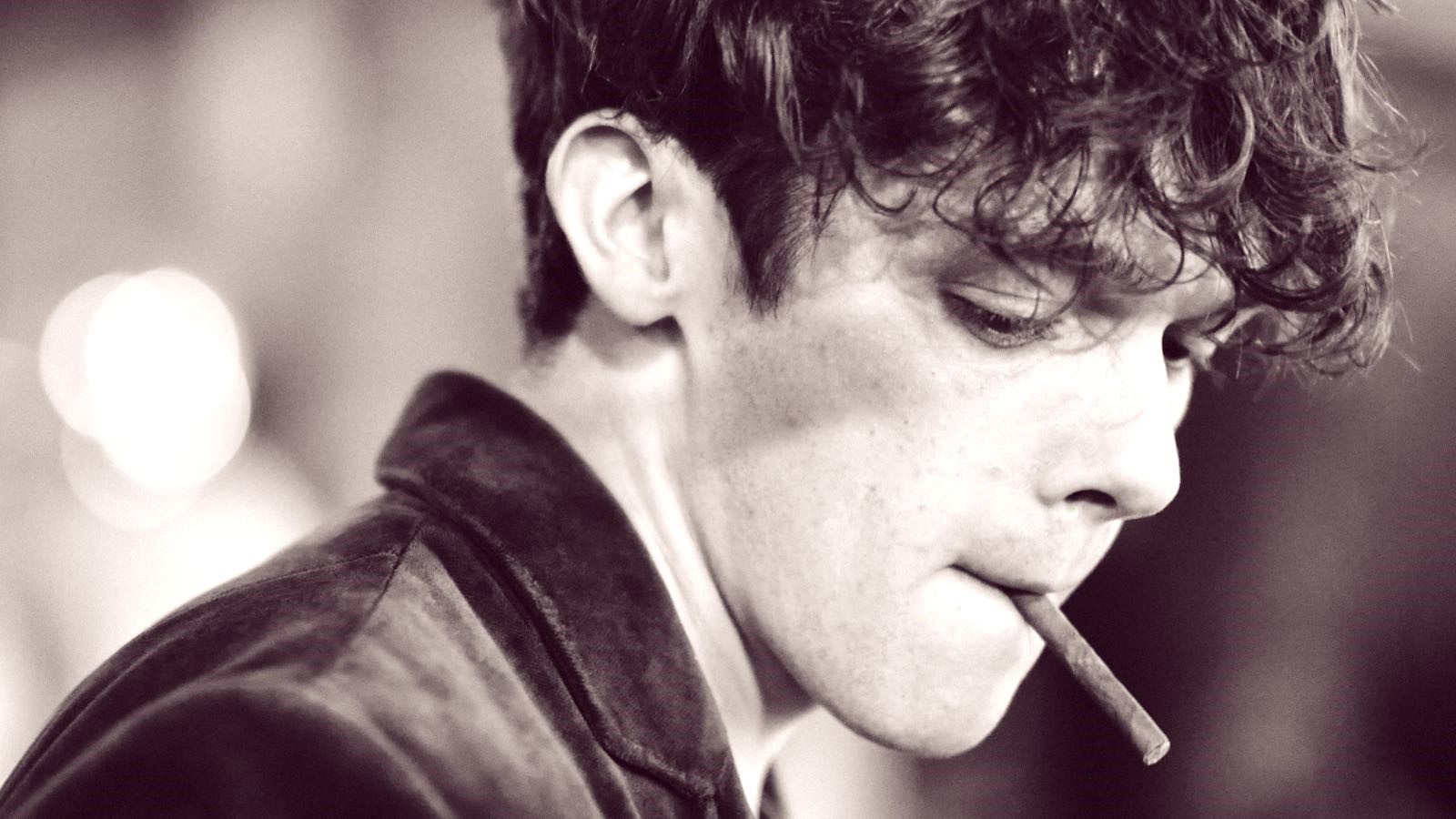
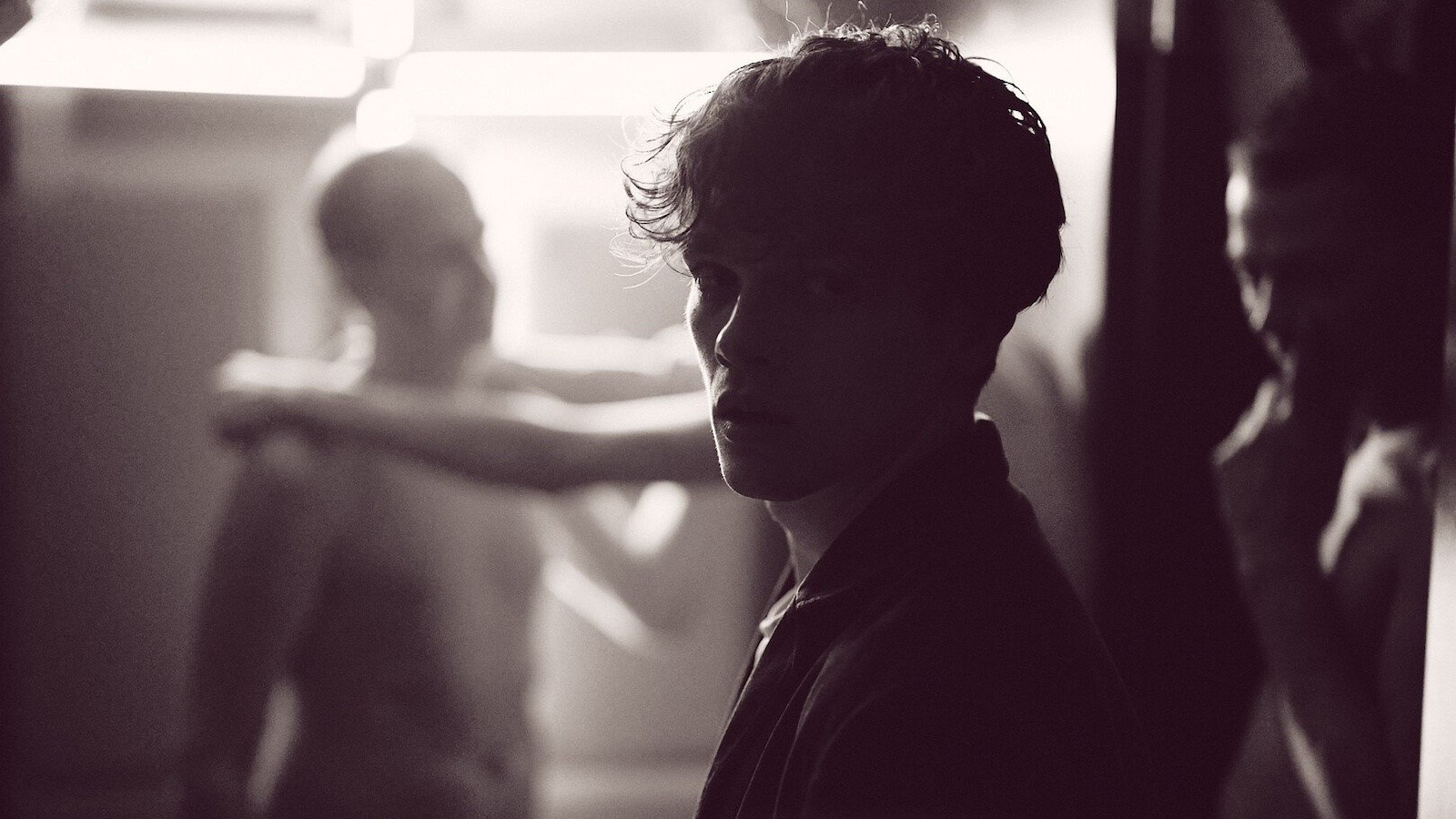
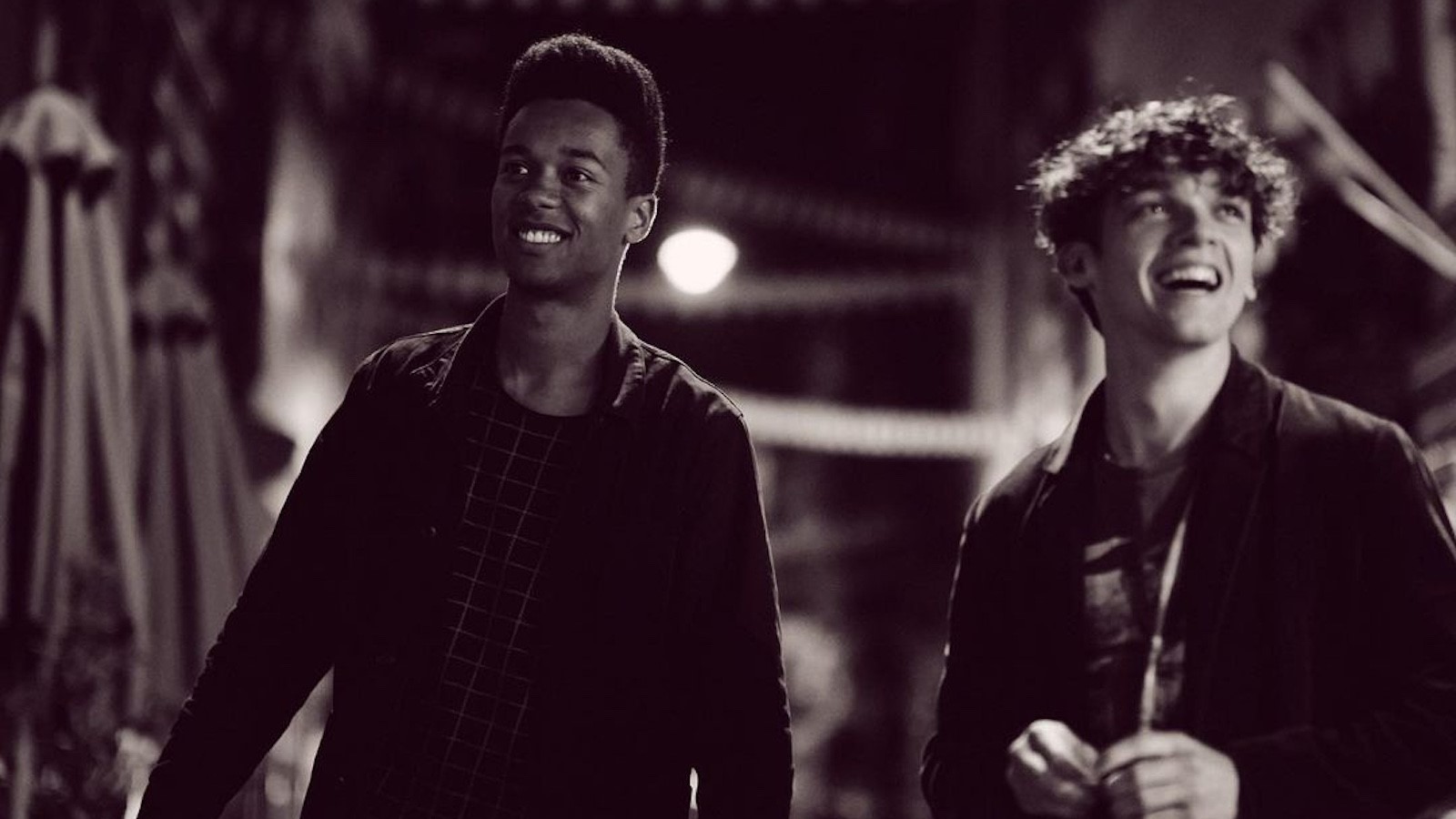
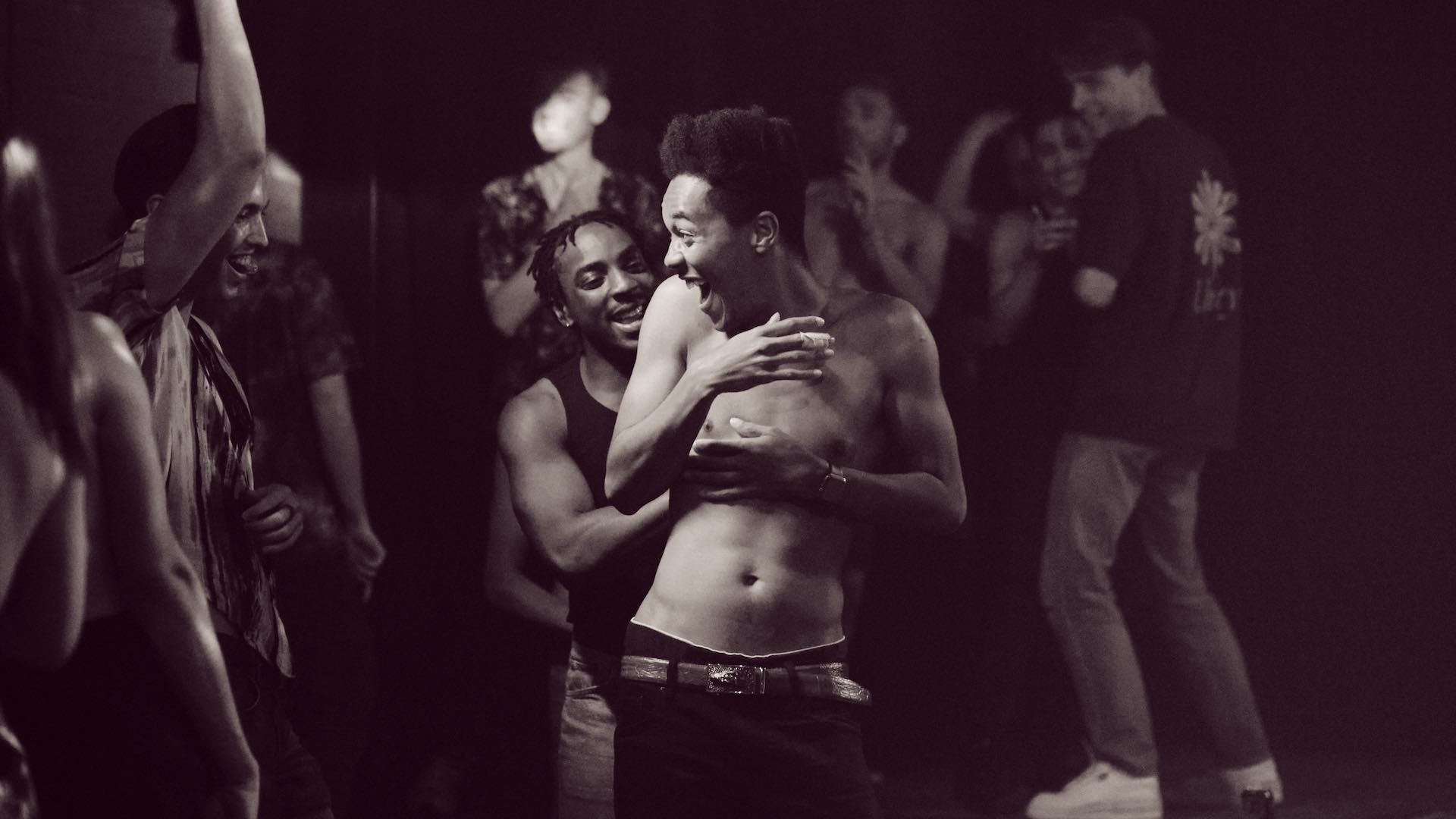
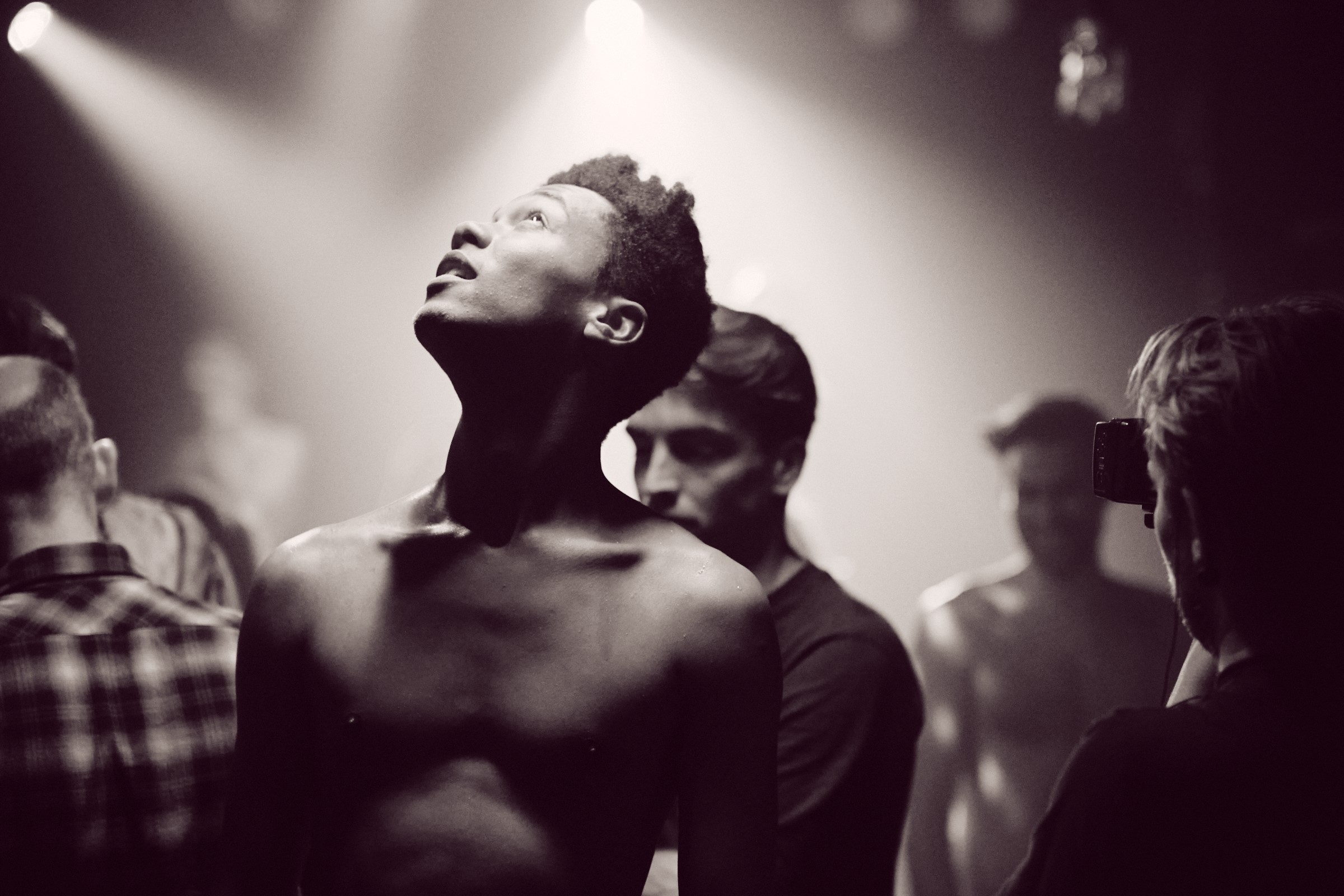
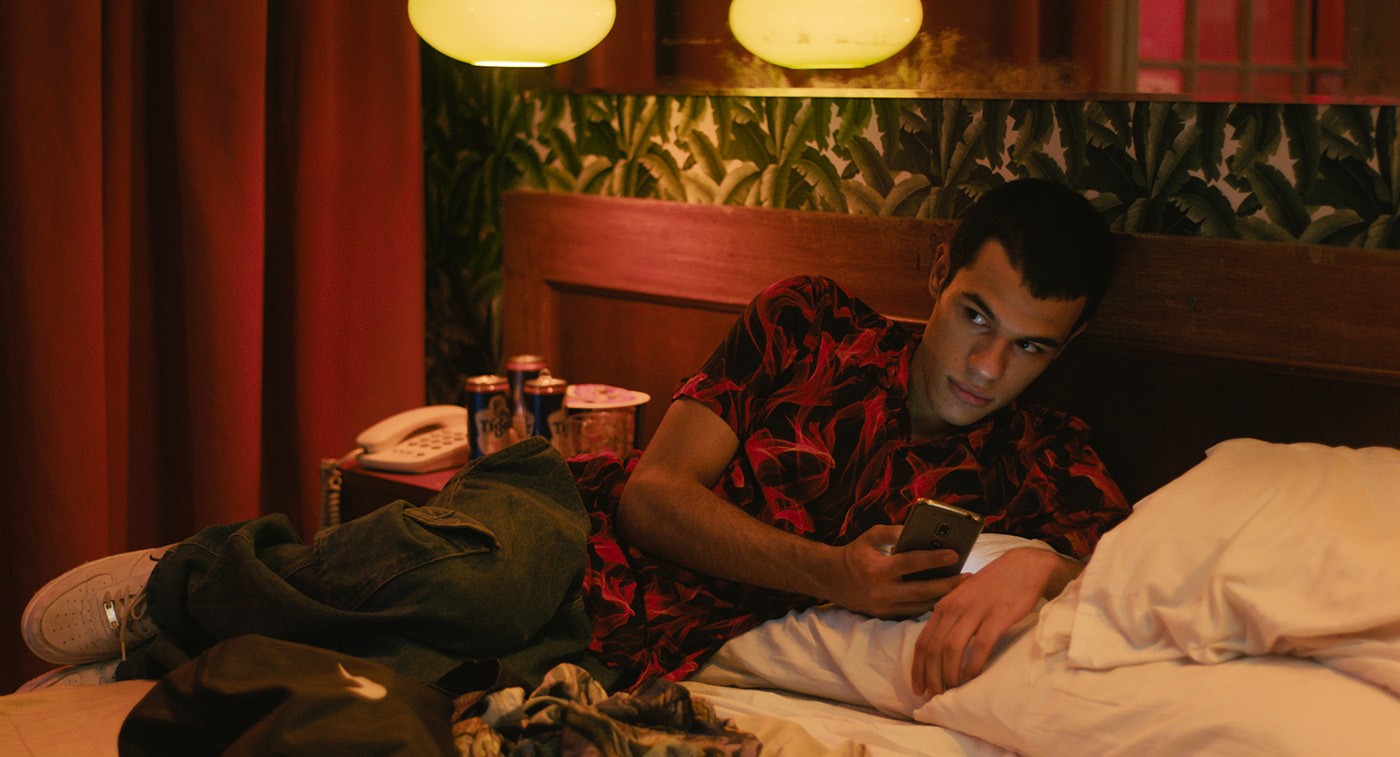
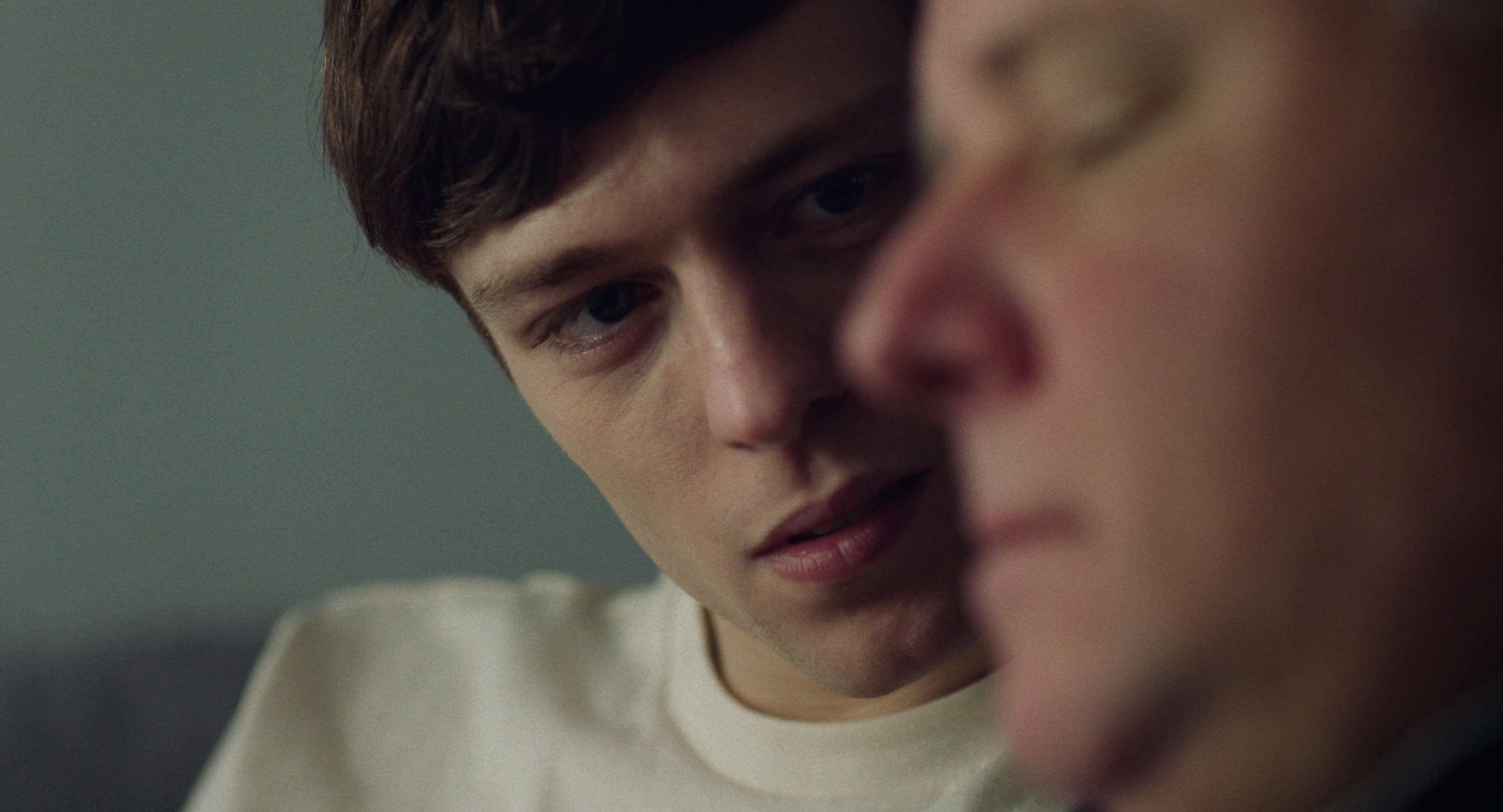
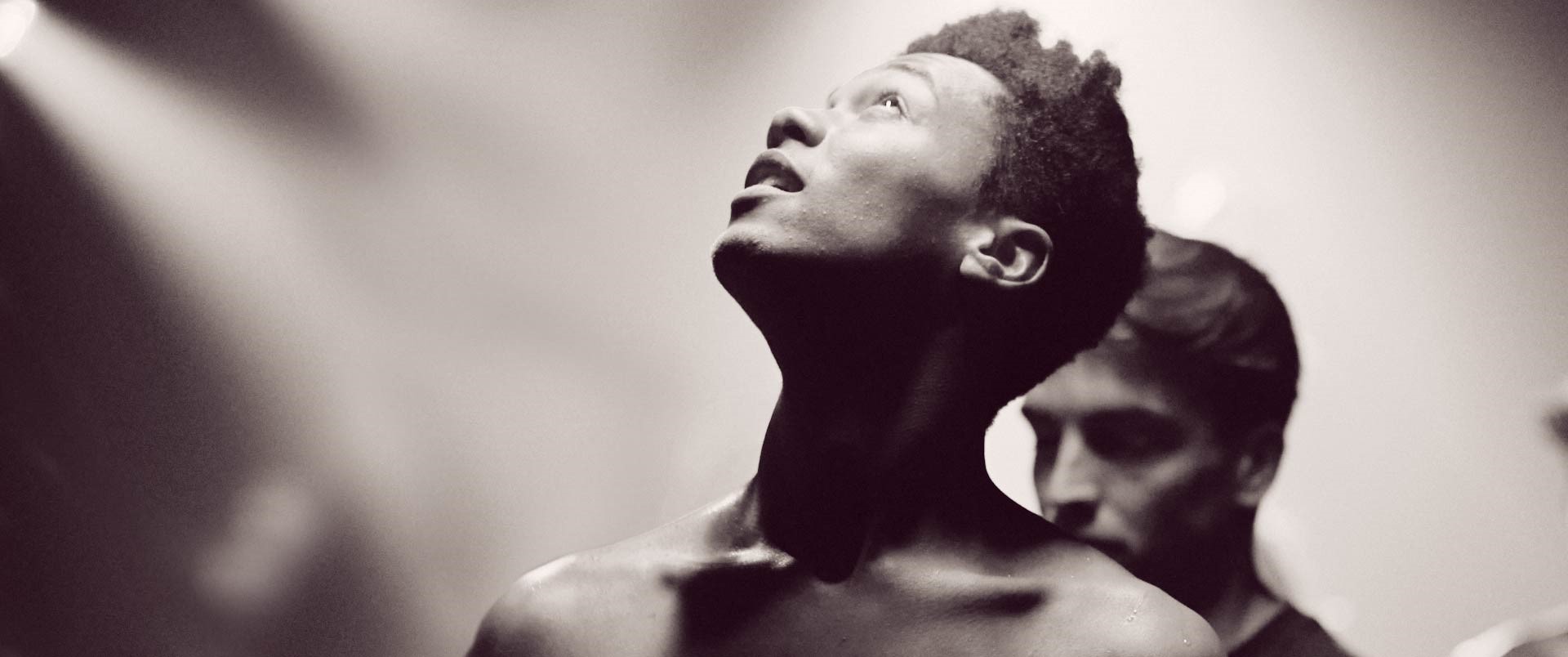
DUTCH • FRENCH ST | Capturing the recklessness of youth and the excitement of newfound sexual liberties in sensuous black-and-white cinematography, Dennis Alink’s Out offers up a vivid and tender tale of being young and gay. Tom (Bas Keizer, in a star-making performance) and Ajani (an effervescent Jefferson Yaw Frempong-Manson) are closeted secondary school sweethearts who yearn for life outside of their small-minded, rural community in the Netherlands. Their solution is Amsterdam, where the queer scene is thriving and they can work at their dreams of becoming filmmakers. Quickly falling into the Dutch capital’s gay nightlife offers the pair some initial thrills: cheeky games of Never Have I Ever, limo rides across the city, eye-opening trips to the bathhouse. But the challenges quickly follow, pushing them to separately question: “Who am I, and where do I fit in?” Recalling such classic monochromatic films about wayward youth as The Last Picture Show and Gus Van Sant’s Mala Noche, Alink and his queer collaborators present a lived-in, piercing portrait that proves coming out isn’t just a pronouncement of one’s sexuality, it’s a simultaneously joyous and heartbreaking journey of self-discovery.

Trailer

Filmmaker Bio

Dennis Alink is a Dutch filmmaker working in both documentary and fiction. In 2009, Dennis was accepted at the Dutch Film Academy in Amsterdam, where he graduated in 2013. After four internationally successful documentaries, his fiction debut Out premieres at Frameline in San Francisco, the largest and most prestigious LGBTQ+ film festival in the world.

Producer

Dennis Alink, Thomas van der Gronde

Writer

Dennis Alink, Thomas van der Gronde

Cinematographer

Thomas van der Gronde

Cast

  • Bas Keizer
  • Jefferson Yaw Frempong-Manson
Image
Image
Image
Image
Image
Image
Image
Image
Image
Image
Image
Image

You might also like

PosterCompetitionDocumentaryVIRTUAL EXCLUSIVE
Competition Icon
Nanekawâsis[Indigiqueer]80 minutes

The work of Two-Spirit, nêhiyaw (Cree) artist George Littlechild took the reality of residential schools head-on decades before it would enter the collective Canadian conscience. A Sixties Scoop survivor, Littlechild uses his “whimsical,” improvised technique to unlock colourful exuberance and long-held trauma. Conor McNally, a Métis filmmaker, honours his journey. Littlechild was given his great grandfather’s name, nanekawâsis, at a Powwow in 2001. Both Littlechild and the eponymously named film embody its meaning: “swift child.” As we pay witness to a childhood shuffled between foster homes and Littlechild’s emergence as a fleet-fingered artist, the documentary makes fluid connections between past and present. Archival footage blends with warmly tinted 16mm interviews of 65-year-old Littlechild, still evolving in his practice, still passing on his deeply felt knowledge of his ancestry and “Rainbow” spirit. Whereas his partner, John Powell, uses art to govern his freewheeling tendencies, Littlechild harnesses paint to break free of his circumscribed daily life, healing himself and his audience through enlightened transcendence. nanekawâsis begins and ends with a sky full of colour, beautifully eliding time, revealing how light and dark, expectancy and reflection are all indispensable parts of life’s circle.

PosterCompetitionDocumentaryVIRTUAL EXCLUSIVE
Competition Icon
Desire Lines[COMPETITION]81 minutes

Struck by “archive fever,” a gay transmasculine Iranian-American searches for the roots of his desire. Navigating with us through this steamy hybrid documentary, he comes into contact with trailblazing transcestor Lou Sullivan, the contemporary lived experiences of other queer men, and the eroticism of his own unique body. With the assistance of young non-binary archivist Kieran (Theo Germain), older transman Ahmad (Aden Hakimi) delves into Chicago’s LGBTQ+ archives and the past and present bathhouses of Boystown to explore his homosexual longing. He learns—as we do through the real-life interviews and the history of raids and radical action that nest within this fictional storyline—that there is no one answer. There are as many points of view as there are interviewees. Archival footage of Lou Sullivan, who openly identified as trans and gay as far back as the 1970s, shows that though these conversations are not new, they are still very much necessary, connecting transmasculine gay men with themselves and the larger community. Jules Rosskam’s narratively frisky and hugely affecting film is a celebration of complexity, working to dissolve rigid labels and authoritative permission when it comes to narrating one’s own sexuality.

PosterCompetitionShort
Competition Icon
If যদি [COMPETITION]26 minutes

Jaya and Fatima, two women in love, are separated because of Jaya's marriage arranged by her conservative father. Helpless, Jaya is about to give up, when life suddenly brings her to a strange crossroad.

PosterCompetitionFeatureVIRTUAL EXCLUSIVE
Competition Icon
Sebastian[COMPETITION]111 minutes

Determined to breathe new life into the queer stock character of the sex worker, budding writer Max (masquerading as Sebastian) becomes a “digital hustler” while bathing in the words of Bret Easton Ellis. What starts out as novel fodder becomes a high-stakes balancing act between liberation and exploitation. Close-lipped and leery of scrutiny, even the publicness of social media, “wholesome boy next door” Max (Ruaridh Mollica) is able to act out his “desire to taste everything” in London bedrooms. First with older men, including the kind and curious Nicholas (Jonathan Hyde), then with more daring configurations. But when shame unexpectedly creeps into his initial, unfettered view of the sex trade, Max finds everything from his book proposal to his very sense of self tested. Before he lets his obsession with how he’s perceived subsume him, he must decide what kind of writer he will be, what kind of lover, what kind of man. His finger on the cultural pulse, Indiewire’s LGBTQ+ Filmmaker on the Rise Mikko Mäkelä (A Moment in the Reeds, I+N31, 2018) pits the coldness of market forces against the beating of a warming heart to see which—in the 21st century—will endure.

PosterMade au CanadaCompetitionFeatureVIRTUAL EXCLUSIVE
Made au Canada IconCompetition Icon
The Queen of My Dreams[I+N x FMC / CMF SERIES]97 minutes

This homage to Bollywood spectacle and intergenerational bonds is a time-hopping, candy-coloured crowd pleaser that induces huge smiles and big laughs while also tackling the resonant themes of enforced gender roles, passive racism, and the seismic shifts of growing up. Azra (a stunning Amrit Kaur) lives in cohabitating sexual bliss with her girlfriend in Toronto in the VHS-popping 90s when she receives news of her father’s death. One voltaic match cut later and she’s on a plane for the funeral in Pakistan with her brother (Ali A. Kazmi), where her mother (Ms. Marvel’s Nimra Bucha) nitpicks and her culture shuts her out of the mourning process. Then another and we’re in 1969 Karachi, swept up in the whirlwind romance of Azra’s rule-breaking mother (also played by Amrit Kaur, underscoring mother-daughter parallels) and dashing father (Hamza Haq) before their tough transition to 1989 Nova Scotia. Each temporal hop peeling back another layer of how Azra’s family dynamic came to be. The Queen of My Dreams is itself a moviegoer’s dream, chock-full of eye-popping visuals, high production value, and fantastic fashion. Revealing how salvation can come in unlikely ways from unlikely sources.

PosterQueerment QuébecCompetitionShort
Queerment Québec IconCompetition Icon
Landfill[COMPETITION]18 minutes

Five thousand twenty five walks. Fifty-two miles of floors mopped. Seventy hours watching movie stars kiss. Alice, a headstrong elder dyke, navigates environmentally induced illness while she contends with her unique notion of legacy.

PosterCompetitionFeature
Competition Icon
Langue étrangère[ZEITGEIST]101 minutes

In a fraught exchange between Leipzig and Strasbourg, Fanny and Lena warm to each other while the situation around them heats up. As it gets harder to parse fact from fiction, too much trust and not enough, they look to protest movements to teach them what out-of-control adults cannot. Writer-director Claire Burger’s nuanced drama is bracingly of-the-moment, capturing topical issues with a foreboding sense of longing and imminent disaster, and inspiring fiery performances from her leads, including Nina Hoss as a mother undone. After an initially cold reception from Lena (Josefa Heinsius) when she arrives in Germany, 17-year-old Fanny (Lilith Grasmug) will do anything to ingratiate herself with her prickly pen pal. Chocolate-covered shrooms, sexual experimentation, bonding over Antifa and black bloc protest movements—each attempt at connection becomes more daring than the one before, their “Franco-German friendship” mirroring the heated clashes of our time. When the school exchange is flipped, and Lena is now the fish out of water in France, giving into the attraction sizzling under her animosity will mean coming to terms with a world tearing apart at the seams and the fantasies built up to survive it.

PosterMade au CanadaCompetitionFeature
Made au Canada IconCompetition Icon
We Forgot to Break Up[I+N Connexe]93 minutes

In the vein of the Tony award-winning musical Stereophonic, this must-see drama is a Behind the Music-style glimpse of a 2000s Toronto indie band with Fleetwood Mac-like flare ups. With a trans frontman and queer members, The New Normals break boundaries while breaking one another’s hearts. Building off the source material, the novel Heidegger Stairwell by Kayt Burgess, Karen Knox maintains balletic control of multiple perspectives and aesthetics, following how each of the five core members handles firsts: first music video, first phone sex job, first love triangle. Music saves this close-knit crew from quarrels when it’s not causing them, but it’s the in-fighting, the “threads of connection and tension” that keep their audience hungering for more. Will the trans frontman (Lane Webber) stay with his queer girlfriend and songwriting partner (June Laporte) or find a different tune with Lugh (Daniel Gravelle)? Will the band survive or live on only in tribute? These concerns converge in a film charged with envy, creative friendship, and reckless love, and chock-full of pedigreed talent, including co-writing credits from award-winning Canadian writer, Zoe Whittall and festival alumni, Pat Mills as well as original songs from Stars’ Torquil Campbell.

PosterMade au CanadaCompetitionFeatureVIRTUAL EXCLUSIVE
Made au Canada IconCompetition Icon
Sweet Angel Baby[ZEITGEIST]96 minutes

Small towns are no place for secrets. Among the churchgoing folk of a Newfoundland fishing village, Eliza leads a double-life: exploring transgressive photography while managing an unspoken romance with a shunned woman and the insistent advances of a married man. Hearsay only two steps behind. Sneaking around the neighbours, Eliza (Michaela Kurimsky) stages increasingly revealing photoshoots in locations both remote and close to home—perhaps too close. With every new post to her 318K Instagram followers, she imperils the careful balance she’s cultivated between her coexistence with fellow villagers, her burgeoning romance with Toni (Elle-Máijá Tailfeathers), and the married man (Peter Mooney) whose desire for her titillates as much as it terrifies. As a church fundraiser she’s helping to organize approaches, so too does a blaze of gossip, and choices are made that could leave her forever shattered. By turns kinky and kind-hearted, Melanie Oates’ second feature explores our wildest selves with a complexity that continues to deepen through to the final striking frame. All the while, embodying a true sense of place, depicting the rough shores and spirited personalities of one of the most isolated—and spectacular—of Canadian locales.

PosterFeatureVIRTUAL EXCLUSIVE
Light Light Light (EN)[ZEITGEIST]89 minutes

FINNISH • ENGLISH ST | A 15-year-old Finnish girl—and her older incarnation—ponder the resemblance between first love and nuclear explosions under a sky heavy with Chernobyl clouds. Befriending a loner who seems radioactive to others, Mariia tries to keep their connection from melting down, basking in the light of devotion, however blinding. By-the-book Mariia (played at different ages by Rebekka Baer and Laura Birn) comes from a close-knit but struggling household, her mother affected by a mysterious cancer. Her situation is contrasted with that of self-possessed Mimi (Anni Iikkanen), whose home is blighted by alcoholism and neglect, its wallpaper peeling. But, swimming beneath crystalline surfaces and entwined in one another’s arms, they try to drown out the ills of the world. Crimped hair and oversized sweaters capturing the innocent 80s bubble Mariia thrives in and the euphoria Mimi strives to inhabit, despite the heaviness of experience. Guided by its source material, the 2011 novel by Vilja-Tuulia Huotarinen, and inflected with the shifting haze of ennui and energy that is a hallmark of Sofia Coppola’s star-dusted tragedies, Inari Niemi’s film is a tonally precise mood piece about girlhood in all its ominous, scintillating paradoxes.

PosterCompetitionDocumentaryVIRTUAL EXCLUSIVE
Competition Icon
Nanekawâsis[Indigiqueer]80 minutes

The work of Two-Spirit, nêhiyaw (Cree) artist George Littlechild took the reality of residential schools head-on decades before it would enter the collective Canadian conscience. A Sixties Scoop survivor, Littlechild uses his “whimsical,” improvised technique to unlock colourful exuberance and long-held trauma. Conor McNally, a Métis filmmaker, honours his journey. Littlechild was given his great grandfather’s name, nanekawâsis, at a Powwow in 2001. Both Littlechild and the eponymously named film embody its meaning: “swift child.” As we pay witness to a childhood shuffled between foster homes and Littlechild’s emergence as a fleet-fingered artist, the documentary makes fluid connections between past and present. Archival footage blends with warmly tinted 16mm interviews of 65-year-old Littlechild, still evolving in his practice, still passing on his deeply felt knowledge of his ancestry and “Rainbow” spirit. Whereas his partner, John Powell, uses art to govern his freewheeling tendencies, Littlechild harnesses paint to break free of his circumscribed daily life, healing himself and his audience through enlightened transcendence. nanekawâsis begins and ends with a sky full of colour, beautifully eliding time, revealing how light and dark, expectancy and reflection are all indispensable parts of life’s circle.

PosterCompetitionDocumentaryVIRTUAL EXCLUSIVE
Competition Icon
Desire Lines[COMPETITION]81 minutes

Struck by “archive fever,” a gay transmasculine Iranian-American searches for the roots of his desire. Navigating with us through this steamy hybrid documentary, he comes into contact with trailblazing transcestor Lou Sullivan, the contemporary lived experiences of other queer men, and the eroticism of his own unique body. With the assistance of young non-binary archivist Kieran (Theo Germain), older transman Ahmad (Aden Hakimi) delves into Chicago’s LGBTQ+ archives and the past and present bathhouses of Boystown to explore his homosexual longing. He learns—as we do through the real-life interviews and the history of raids and radical action that nest within this fictional storyline—that there is no one answer. There are as many points of view as there are interviewees. Archival footage of Lou Sullivan, who openly identified as trans and gay as far back as the 1970s, shows that though these conversations are not new, they are still very much necessary, connecting transmasculine gay men with themselves and the larger community. Jules Rosskam’s narratively frisky and hugely affecting film is a celebration of complexity, working to dissolve rigid labels and authoritative permission when it comes to narrating one’s own sexuality.

PosterCompetitionShort
Competition Icon
If যদি [COMPETITION]26 minutes

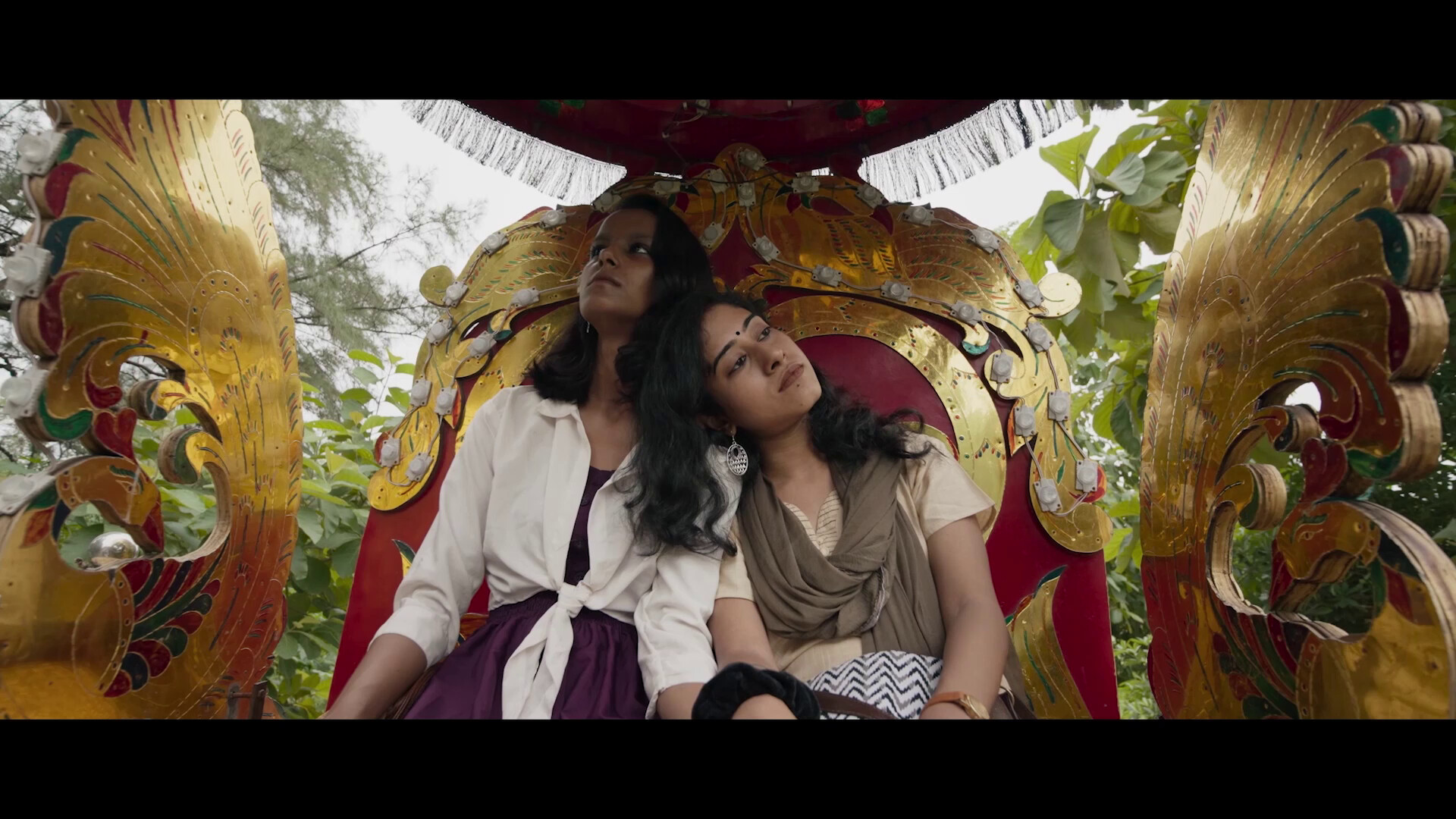
Jaya and Fatima, two women in love, are separated because of Jaya's marriage arranged by her conservative father. Helpless, Jaya is about to give up, when life suddenly brings her to a strange crossroad.

PosterCompetitionFeatureVIRTUAL EXCLUSIVE
Competition Icon
Sebastian[COMPETITION]111 minutes

Determined to breathe new life into the queer stock character of the sex worker, budding writer Max (masquerading as Sebastian) becomes a “digital hustler” while bathing in the words of Bret Easton Ellis. What starts out as novel fodder becomes a high-stakes balancing act between liberation and exploitation. Close-lipped and leery of scrutiny, even the publicness of social media, “wholesome boy next door” Max (Ruaridh Mollica) is able to act out his “desire to taste everything” in London bedrooms. First with older men, including the kind and curious Nicholas (Jonathan Hyde), then with more daring configurations. But when shame unexpectedly creeps into his initial, unfettered view of the sex trade, Max finds everything from his book proposal to his very sense of self tested. Before he lets his obsession with how he’s perceived subsume him, he must decide what kind of writer he will be, what kind of lover, what kind of man. His finger on the cultural pulse, Indiewire’s LGBTQ+ Filmmaker on the Rise Mikko Mäkelä (A Moment in the Reeds, I+N31, 2018) pits the coldness of market forces against the beating of a warming heart to see which—in the 21st century—will endure.

PosterMade au CanadaCompetitionFeatureVIRTUAL EXCLUSIVE
Made au Canada IconCompetition Icon
The Queen of My Dreams[I+N x FMC / CMF SERIES]97 minutes

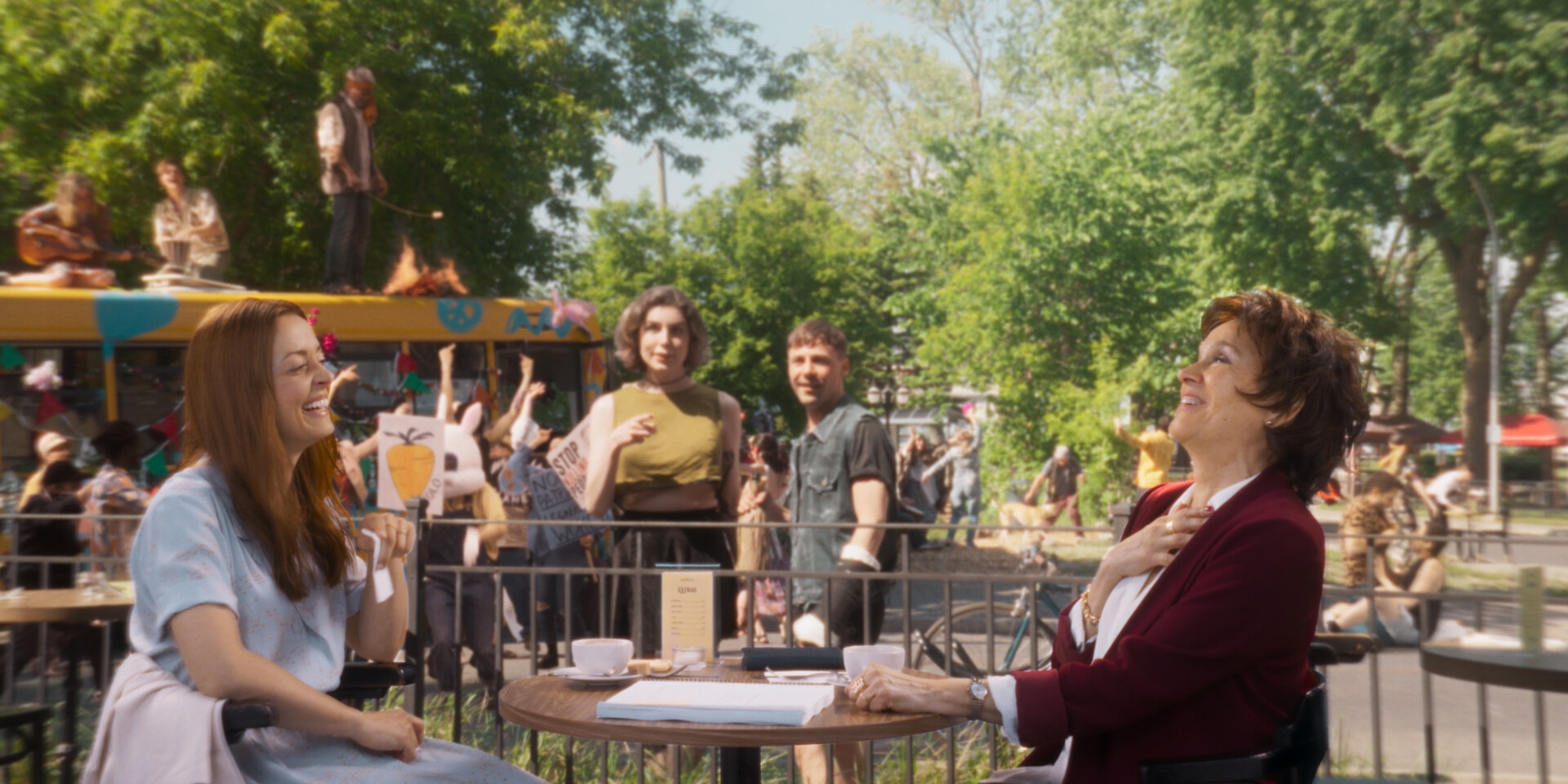
This homage to Bollywood spectacle and intergenerational bonds is a time-hopping, candy-coloured crowd pleaser that induces huge smiles and big laughs while also tackling the resonant themes of enforced gender roles, passive racism, and the seismic shifts of growing up. Azra (a stunning Amrit Kaur) lives in cohabitating sexual bliss with her girlfriend in Toronto in the VHS-popping 90s when she receives news of her father’s death. One voltaic match cut later and she’s on a plane for the funeral in Pakistan with her brother (Ali A. Kazmi), where her mother (Ms. Marvel’s Nimra Bucha) nitpicks and her culture shuts her out of the mourning process. Then another and we’re in 1969 Karachi, swept up in the whirlwind romance of Azra’s rule-breaking mother (also played by Amrit Kaur, underscoring mother-daughter parallels) and dashing father (Hamza Haq) before their tough transition to 1989 Nova Scotia. Each temporal hop peeling back another layer of how Azra’s family dynamic came to be. The Queen of My Dreams is itself a moviegoer’s dream, chock-full of eye-popping visuals, high production value, and fantastic fashion. Revealing how salvation can come in unlikely ways from unlikely sources.

PosterQueerment QuébecCompetitionShort
Queerment Québec IconCompetition Icon
Landfill[COMPETITION]18 minutes

Five thousand twenty five walks. Fifty-two miles of floors mopped. Seventy hours watching movie stars kiss. Alice, a headstrong elder dyke, navigates environmentally induced illness while she contends with her unique notion of legacy.

PosterCompetitionFeature
Competition Icon
Langue étrangère[ZEITGEIST]101 minutes

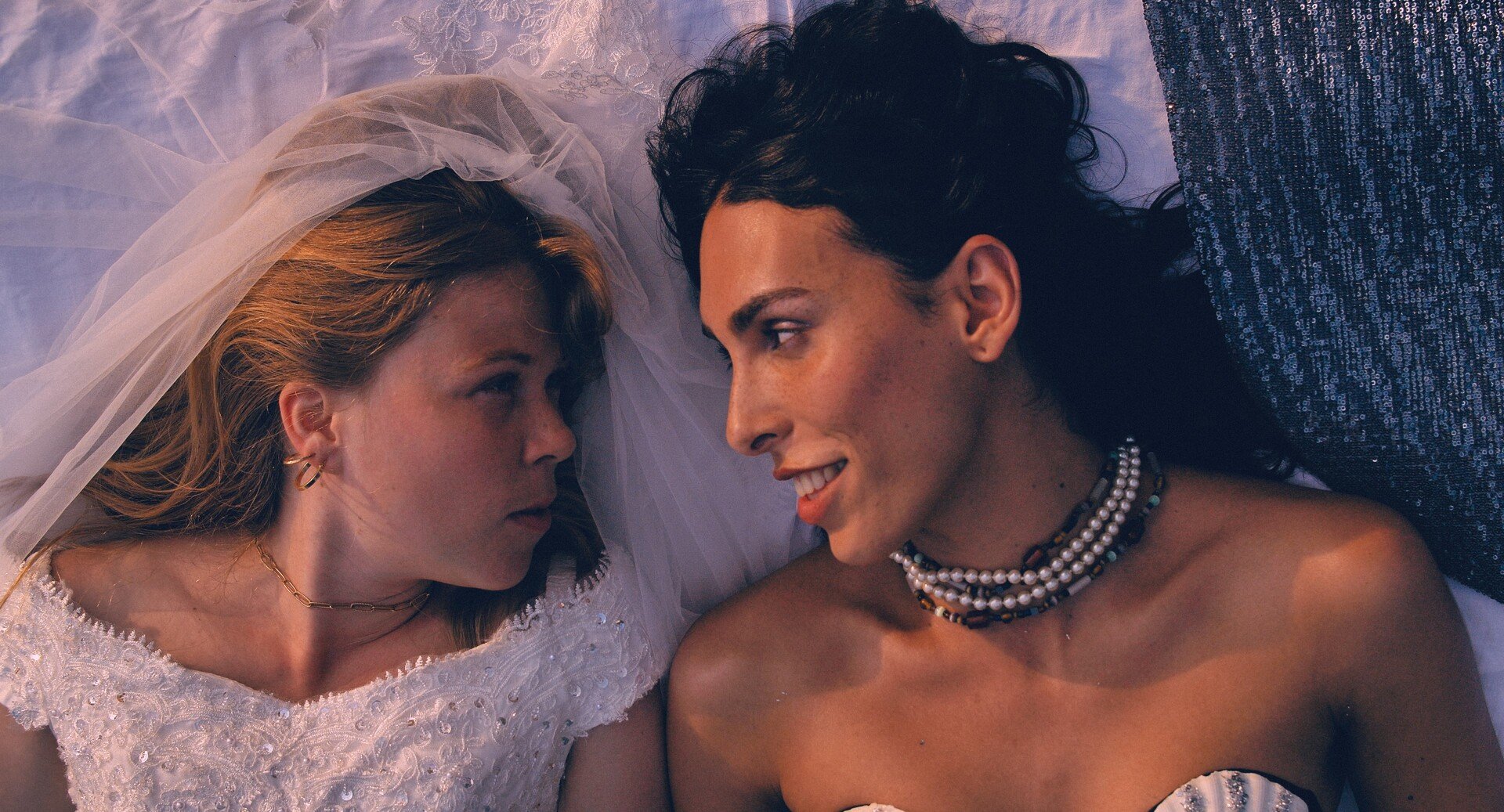
In a fraught exchange between Leipzig and Strasbourg, Fanny and Lena warm to each other while the situation around them heats up. As it gets harder to parse fact from fiction, too much trust and not enough, they look to protest movements to teach them what out-of-control adults cannot. Writer-director Claire Burger’s nuanced drama is bracingly of-the-moment, capturing topical issues with a foreboding sense of longing and imminent disaster, and inspiring fiery performances from her leads, including Nina Hoss as a mother undone. After an initially cold reception from Lena (Josefa Heinsius) when she arrives in Germany, 17-year-old Fanny (Lilith Grasmug) will do anything to ingratiate herself with her prickly pen pal. Chocolate-covered shrooms, sexual experimentation, bonding over Antifa and black bloc protest movements—each attempt at connection becomes more daring than the one before, their “Franco-German friendship” mirroring the heated clashes of our time. When the school exchange is flipped, and Lena is now the fish out of water in France, giving into the attraction sizzling under her animosity will mean coming to terms with a world tearing apart at the seams and the fantasies built up to survive it.

PosterMade au CanadaCompetitionFeature
Made au Canada IconCompetition Icon
We Forgot to Break Up[I+N Connexe]93 minutes

In the vein of the Tony award-winning musical Stereophonic, this must-see drama is a Behind the Music-style glimpse of a 2000s Toronto indie band with Fleetwood Mac-like flare ups. With a trans frontman and queer members, The New Normals break boundaries while breaking one another’s hearts. Building off the source material, the novel Heidegger Stairwell by Kayt Burgess, Karen Knox maintains balletic control of multiple perspectives and aesthetics, following how each of the five core members handles firsts: first music video, first phone sex job, first love triangle. Music saves this close-knit crew from quarrels when it’s not causing them, but it’s the in-fighting, the “threads of connection and tension” that keep their audience hungering for more. Will the trans frontman (Lane Webber) stay with his queer girlfriend and songwriting partner (June Laporte) or find a different tune with Lugh (Daniel Gravelle)? Will the band survive or live on only in tribute? These concerns converge in a film charged with envy, creative friendship, and reckless love, and chock-full of pedigreed talent, including co-writing credits from award-winning Canadian writer, Zoe Whittall and festival alumni, Pat Mills as well as original songs from Stars’ Torquil Campbell.

PosterMade au CanadaCompetitionFeatureVIRTUAL EXCLUSIVE
Made au Canada IconCompetition Icon
Sweet Angel Baby[ZEITGEIST]96 minutes

Small towns are no place for secrets. Among the churchgoing folk of a Newfoundland fishing village, Eliza leads a double-life: exploring transgressive photography while managing an unspoken romance with a shunned woman and the insistent advances of a married man. Hearsay only two steps behind. Sneaking around the neighbours, Eliza (Michaela Kurimsky) stages increasingly revealing photoshoots in locations both remote and close to home—perhaps too close. With every new post to her 318K Instagram followers, she imperils the careful balance she’s cultivated between her coexistence with fellow villagers, her burgeoning romance with Toni (Elle-Máijá Tailfeathers), and the married man (Peter Mooney) whose desire for her titillates as much as it terrifies. As a church fundraiser she’s helping to organize approaches, so too does a blaze of gossip, and choices are made that could leave her forever shattered. By turns kinky and kind-hearted, Melanie Oates’ second feature explores our wildest selves with a complexity that continues to deepen through to the final striking frame. All the while, embodying a true sense of place, depicting the rough shores and spirited personalities of one of the most isolated—and spectacular—of Canadian locales.

PosterFeatureVIRTUAL EXCLUSIVE
Light Light Light (EN)[ZEITGEIST]89 minutes

FINNISH • ENGLISH ST | A 15-year-old Finnish girl—and her older incarnation—ponder the resemblance between first love and nuclear explosions under a sky heavy with Chernobyl clouds. Befriending a loner who seems radioactive to others, Mariia tries to keep their connection from melting down, basking in the light of devotion, however blinding. By-the-book Mariia (played at different ages by Rebekka Baer and Laura Birn) comes from a close-knit but struggling household, her mother affected by a mysterious cancer. Her situation is contrasted with that of self-possessed Mimi (Anni Iikkanen), whose home is blighted by alcoholism and neglect, its wallpaper peeling. But, swimming beneath crystalline surfaces and entwined in one another’s arms, they try to drown out the ills of the world. Crimped hair and oversized sweaters capturing the innocent 80s bubble Mariia thrives in and the euphoria Mimi strives to inhabit, despite the heaviness of experience. Guided by its source material, the 2011 novel by Vilja-Tuulia Huotarinen, and inflected with the shifting haze of ennui and energy that is a hallmark of Sofia Coppola’s star-dusted tragedies, Inari Niemi’s film is a tonally precise mood piece about girlhood in all its ominous, scintillating paradoxes.