Image+Nation
Duino (EN)

Duino (EN)

JUAN PABLO DI PACE + ANDRÉS PEPE ESTRADA | USA + ARGENTINA + ITALY | 2024 | 108 MIN | SPANISH EST

JUAN PABLO DI PACE + ANDRÉS PEPE ESTRADA | USA + ARGENTINA + ITALY | 2024 | 108 MIN | SPANISH EST

FeatureCOMPETITION

Synopsis

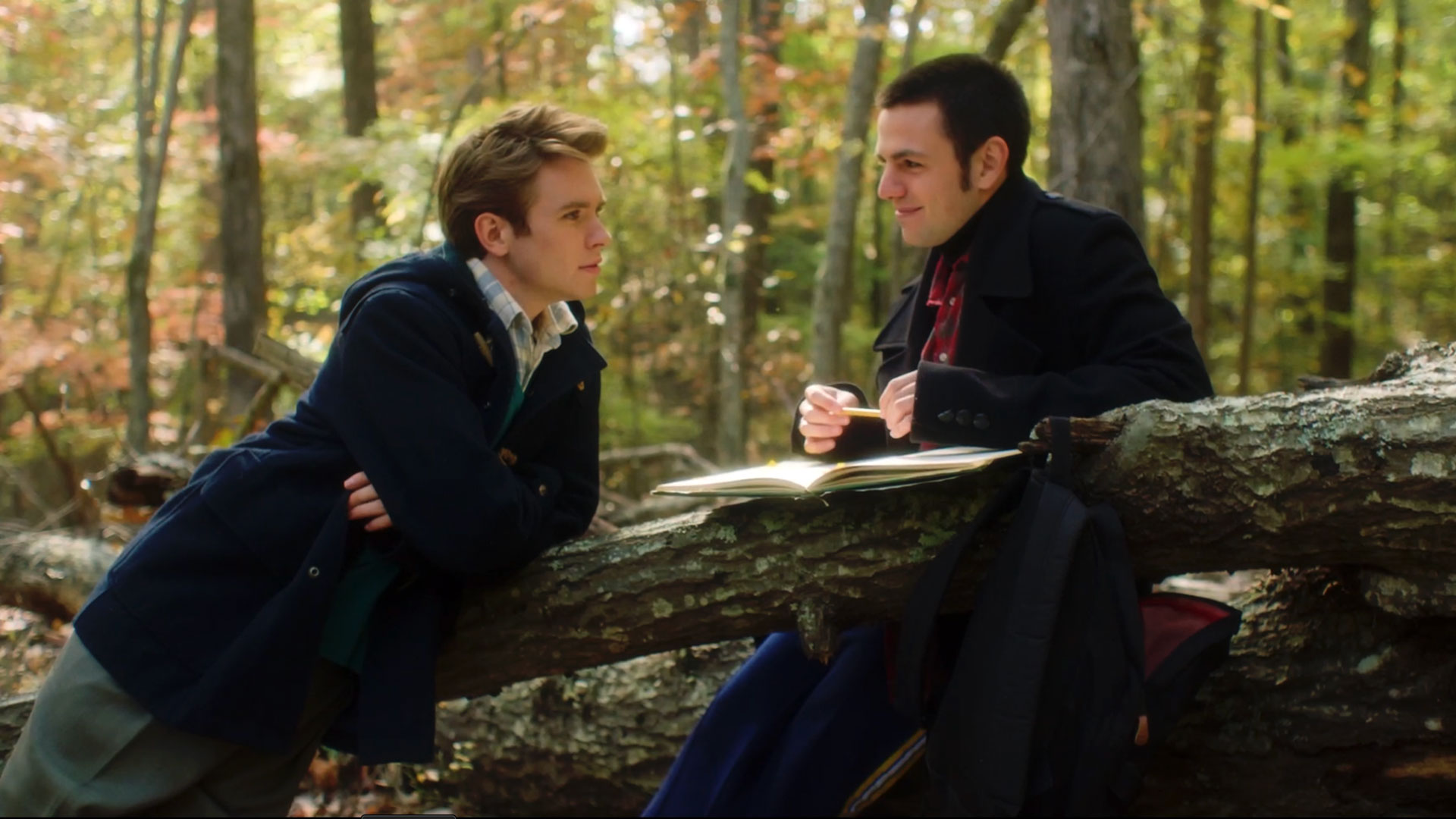
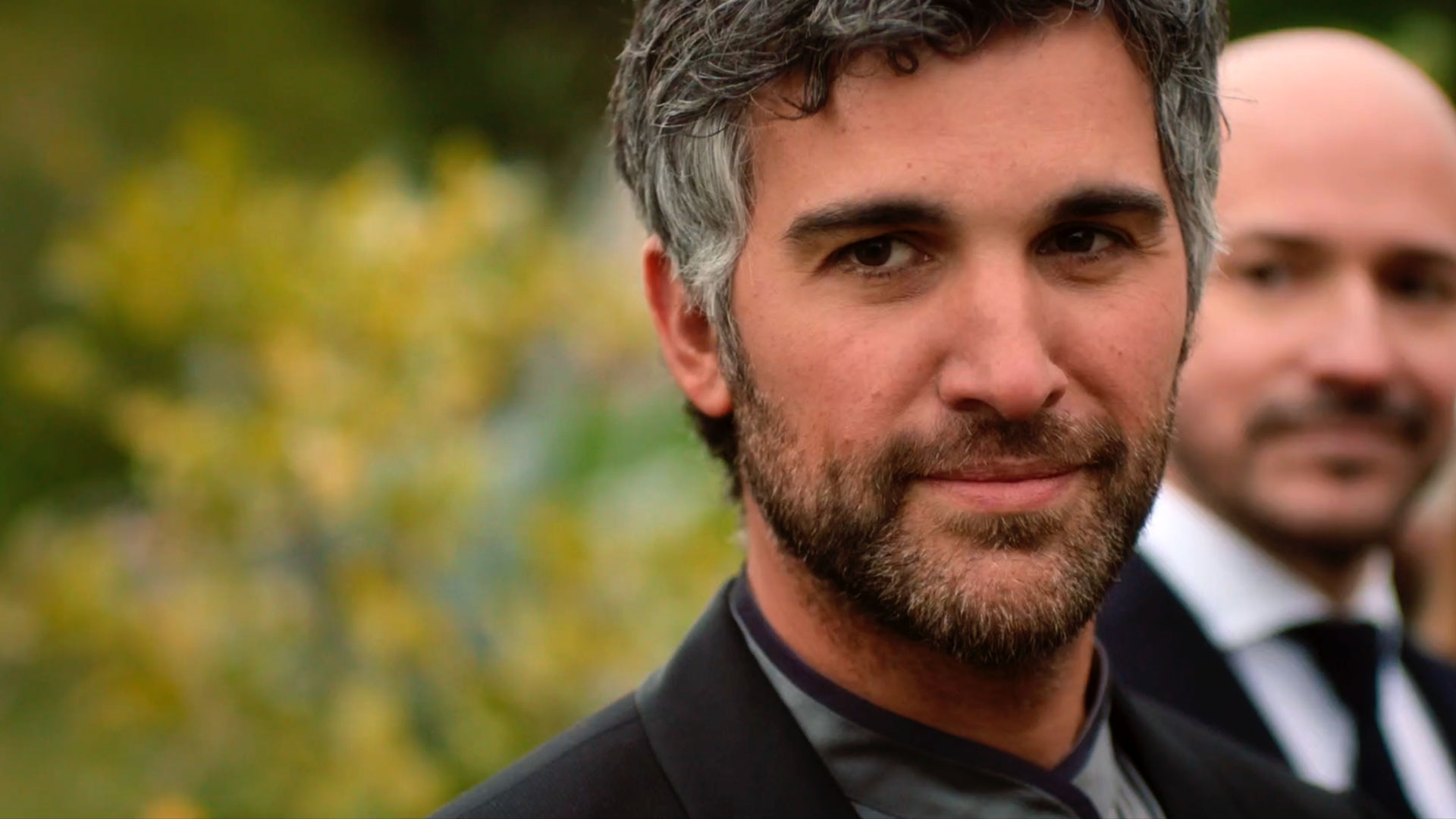
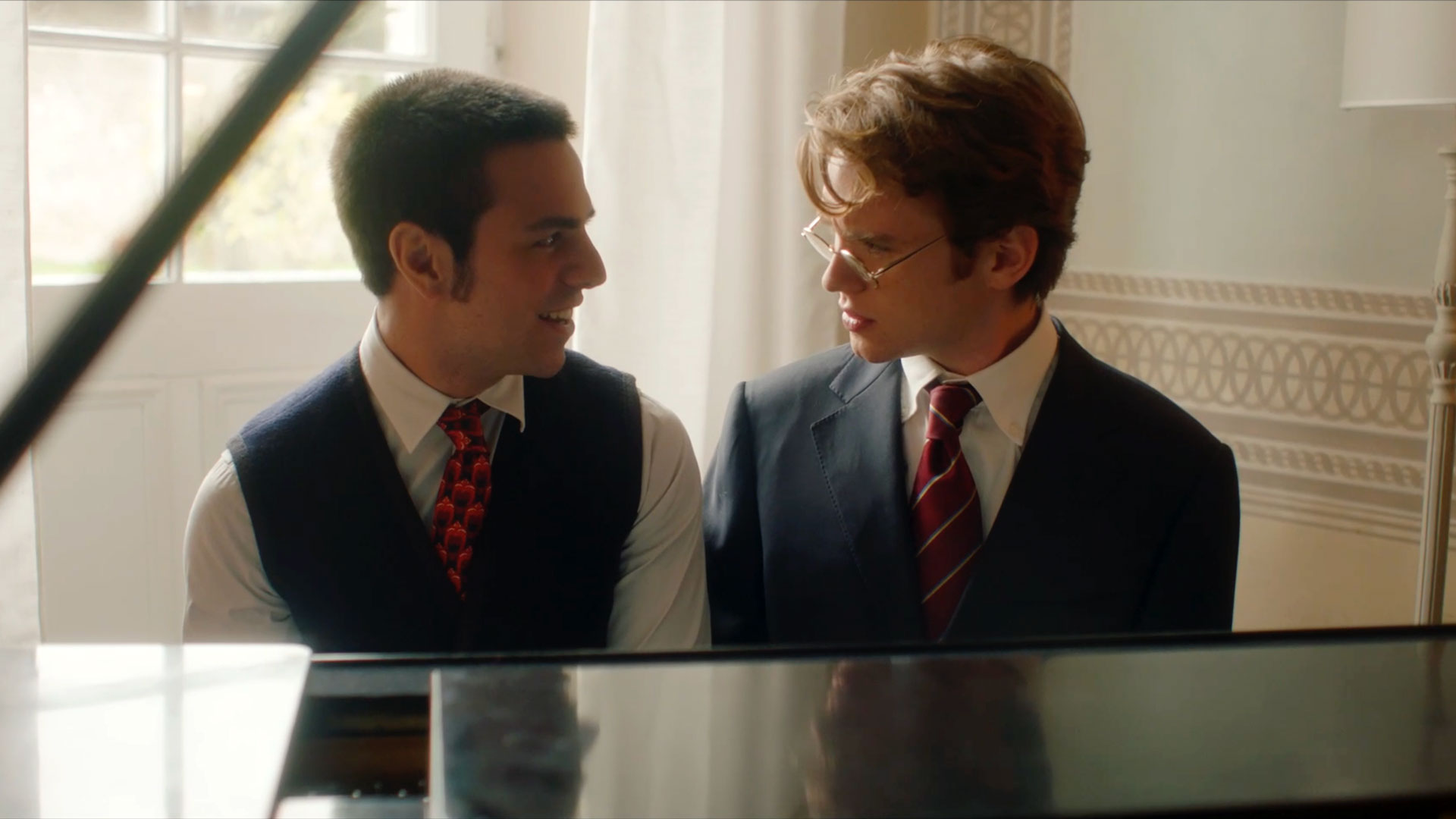
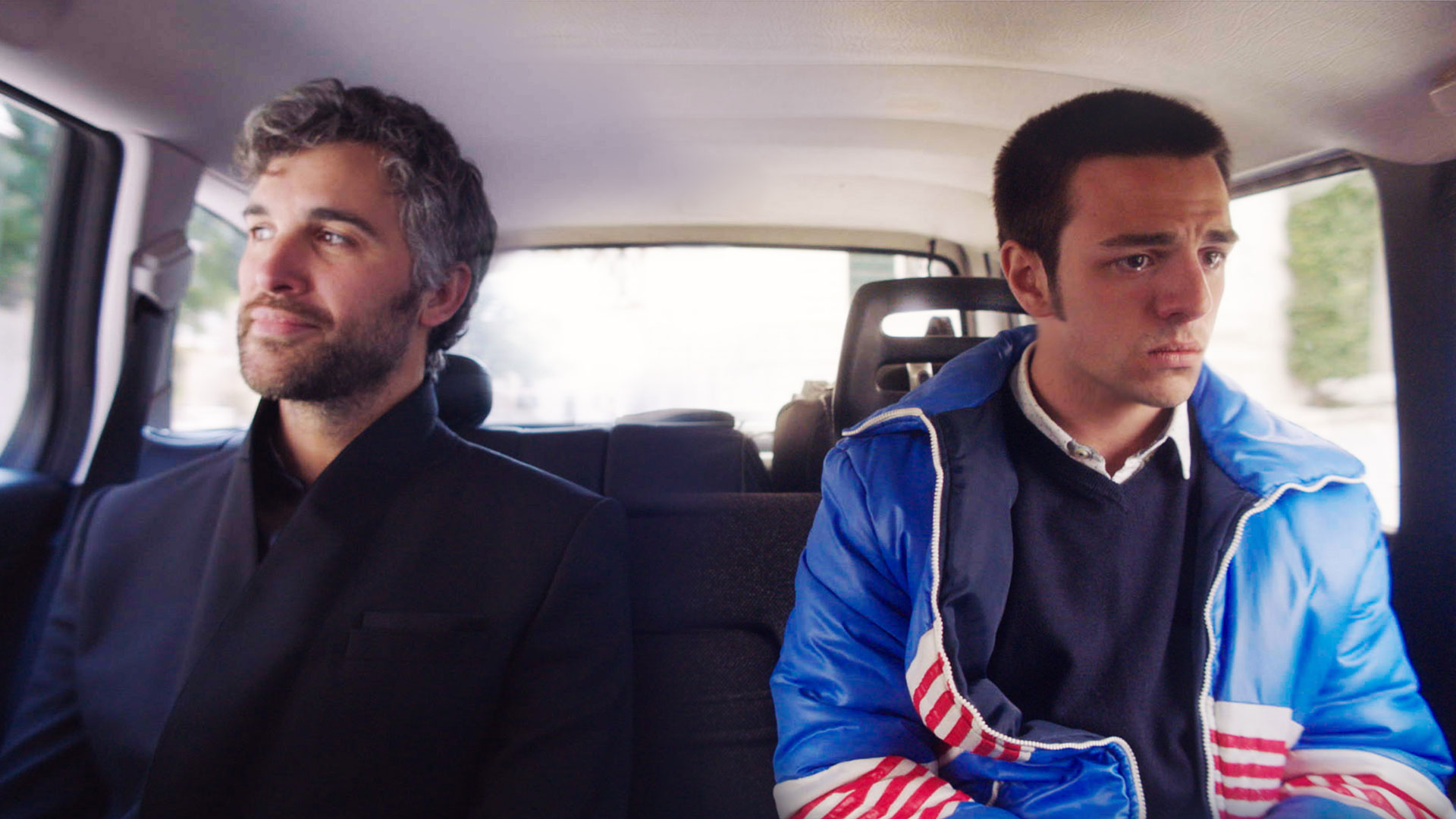
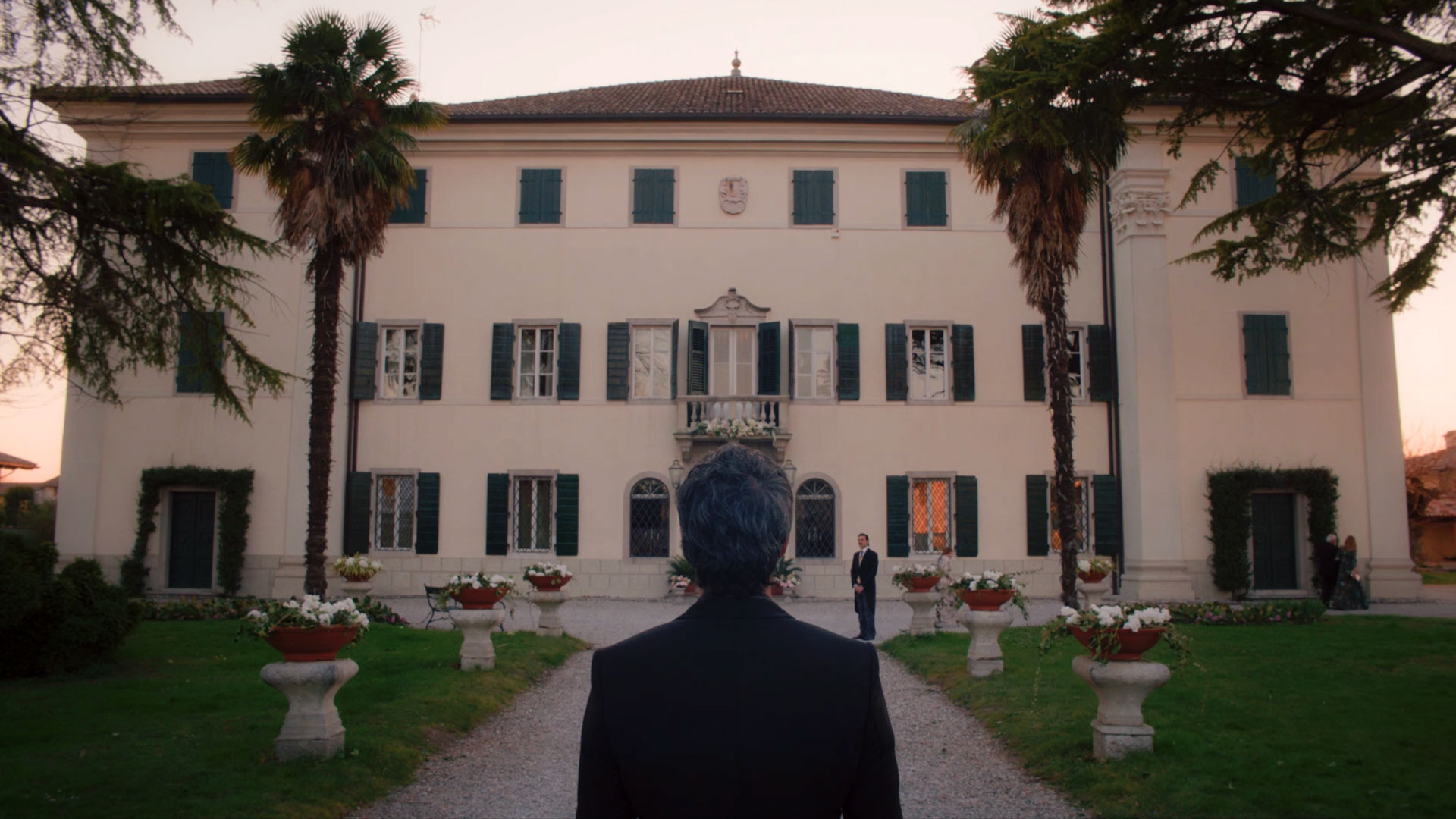
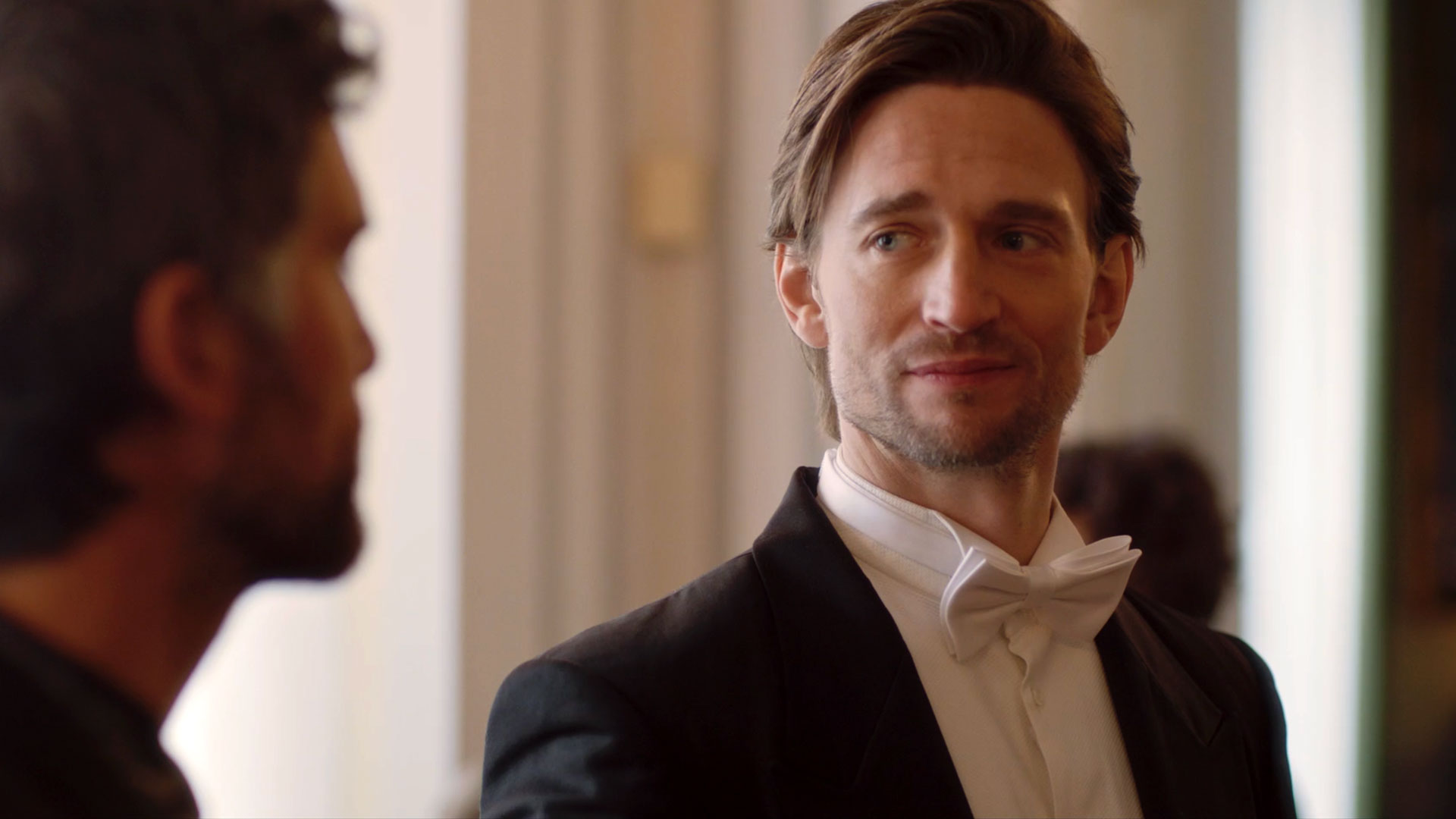
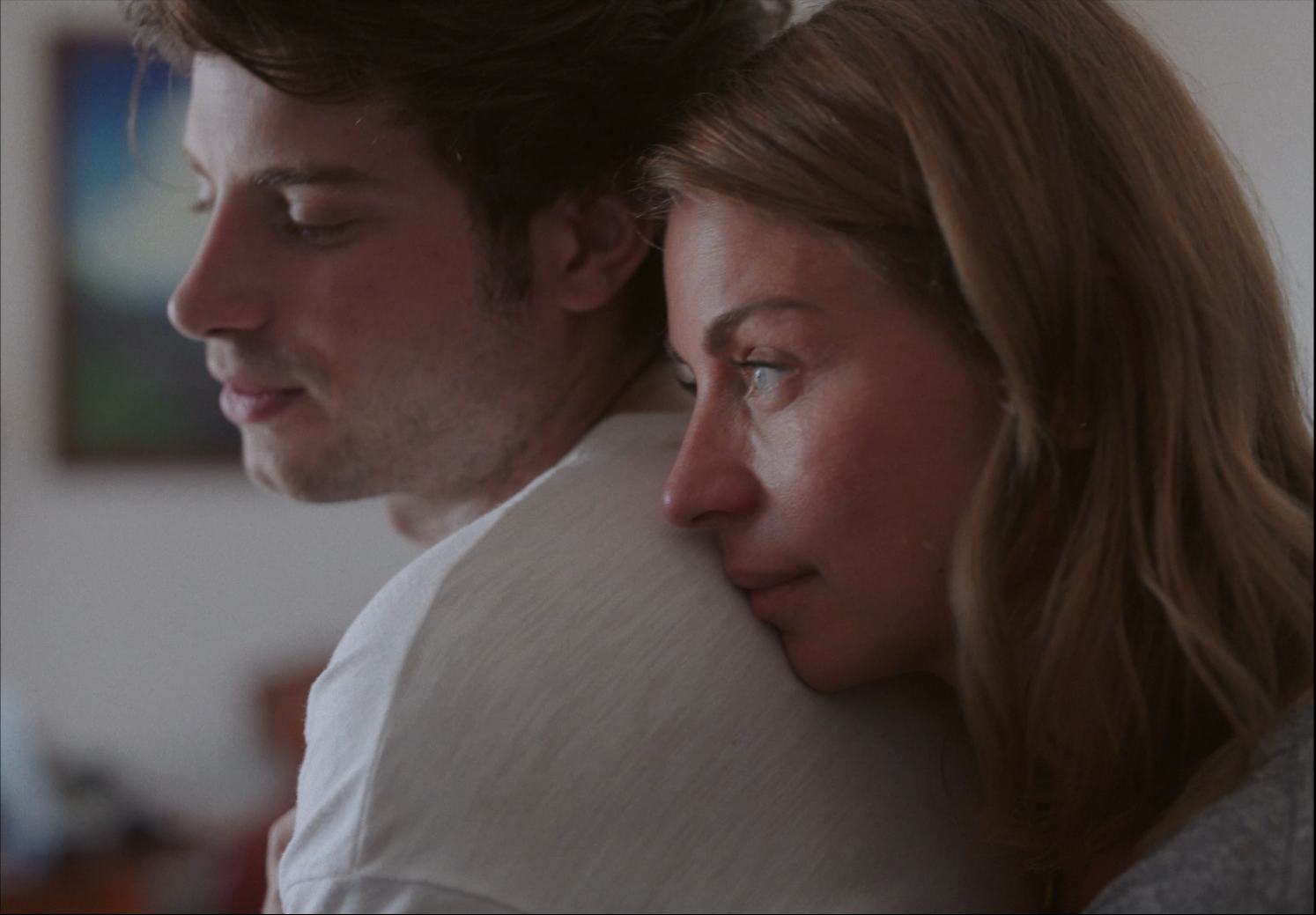
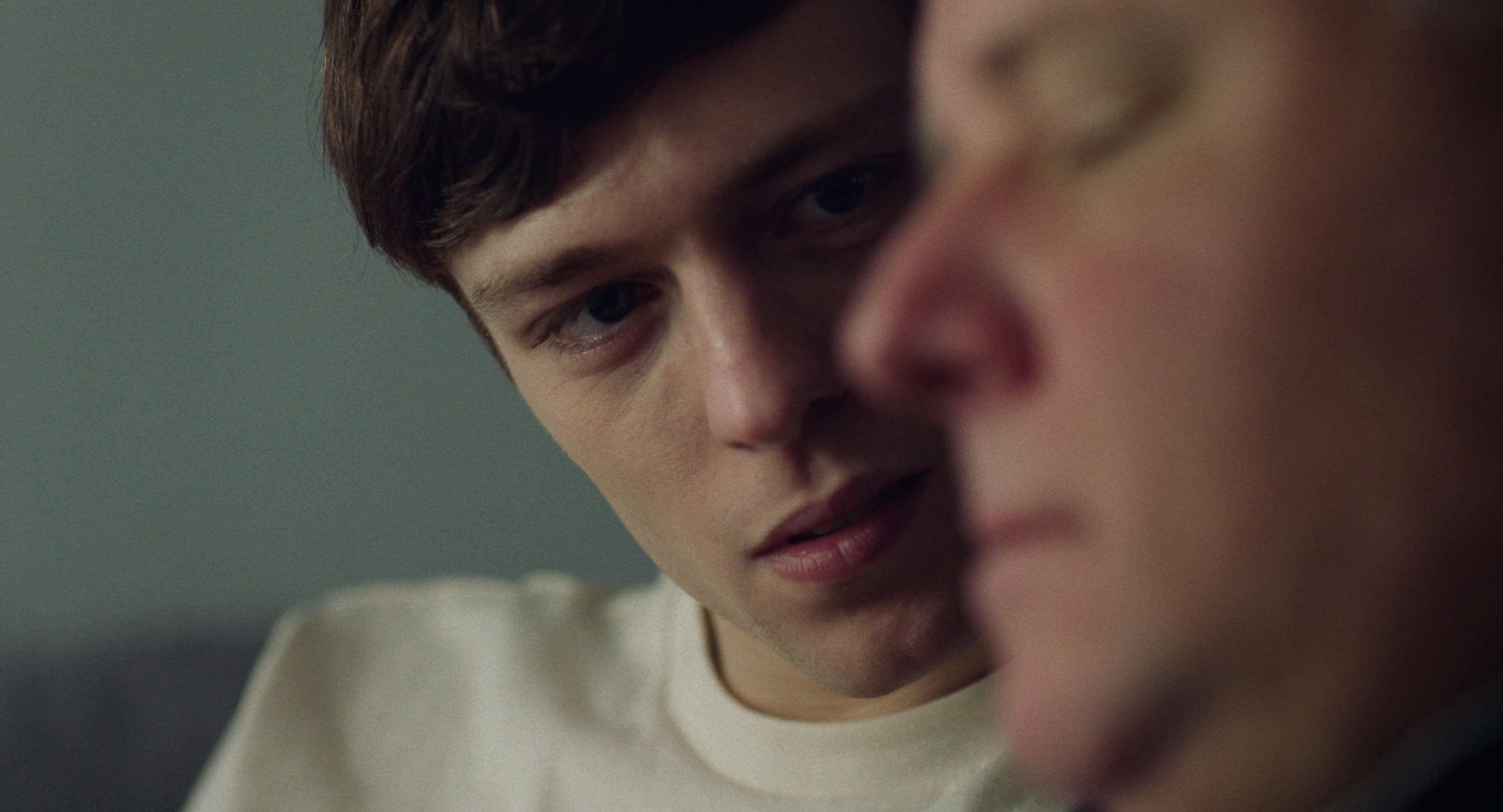
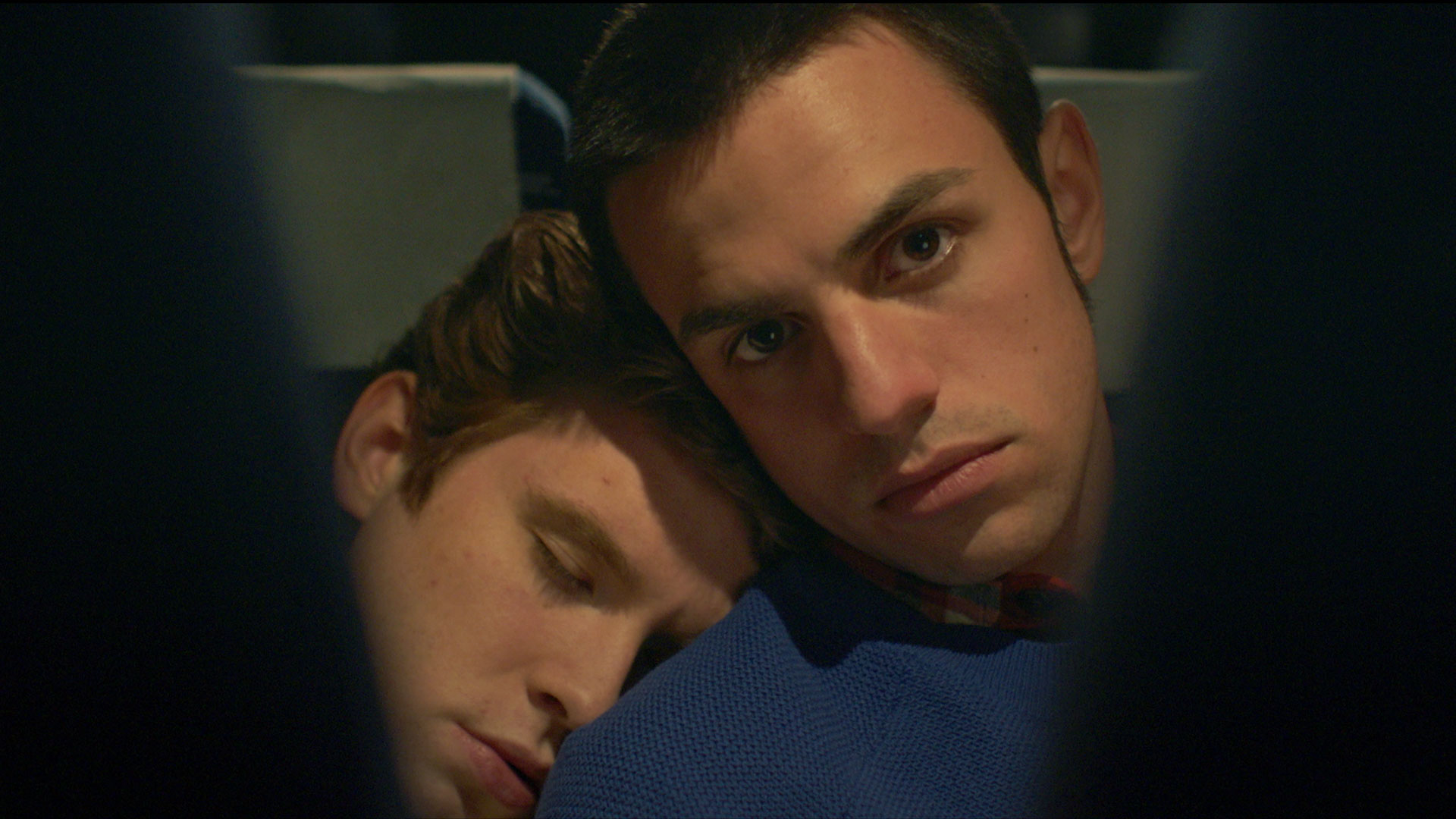
SPANISH • ENGLISH ST | Argentinian filmmaker Matías is an intense perfectionist struggling to shape his autobiographical film as the past wriggles from his grip. Is Alexander—a dashing fabulist from Sweden he met in Italy as a boy—the lost love of his life? Or just a lovely, bittersweet dream? At the United World College of the Adriatic, with its diverse, exuberant student body, young Matías (Santiago Madrussan) finds a freedom he never knew in Argentina. There, he is befriended by Alexander (Oscar Morgan), whose rousing stories and bedroom eyes make the world more magical, and whose family’s vast holiday home becomes a memory palace for all that was left unsaid. In his 40s, Matías (co-writer/director Juan Pablo Di Pace) looks back at this time and, with a festival deadline looming, tries to fathom the sizzling closeness and coded interactions. A key piece of evidence lying dormant for when he least expects it. With its meta intrigues and captivating sweep, Duino is an elegiac masterwork crackling with swoon-worthy chemistry. A film that asks: how far are we willing to go for a proper conclusion, and what, in the end, remains voices in the wind?

Filmmaker Bio

Andres is a Spanish director/composer/editor living in Buenos Aires. He studied Film at the Buenos Aires Film University and in Rome's Cinecittá. Andres edited Santiago Mitre’s Argentina 1985, which recently won the Golden Globes and was nominated for Best Foreign Film at the Academy Awards. Since 2002 he has worked extensively as a film editor in many Latin American staple films. He also worked in the editing team of Tetro by Francis Ford Coppola. Andres’ directorial work includes Big For The City and Admission. Duino is Andres’ debut feature as director with his long time friend Juan Pablo Di Pace.

Filmmaker Bio

Juan Pablo was born in Buenos Aires and has lived in London, Trieste, Madrid and currently resides in the US. A self-proclaimed "storyteller" Juan Pablo dances between music, film and directorial projects. On T.V and film, he is best known for playing the passionate Fernando on Netflix's Emmy nominated Fuller House. As a filmmaker, Juan Pablo has written and directed several short films and is developing three feature films. Prior to joining the big screen, he appeared in Bob Fosse's musical Chicago in London.

Producer

Jim Burba, Kristen Carroll, Juan Pablo Di Pace, Guillermo na, Kent Robert Gibbons, Juan Ignacio Gorelik, Martín Granados, Bob Hayes, Margret H. Huddleston, Norman Lear, Amanda Lenker Doyle, Massimiliano Milic, Brent Miller, Bobby Ralston, Michele Saragoni, Guido Segal, Stephanie Slack, Alvaro R. Valente

Writer

Juan Pablo Di Pace, Andrés Pepe Estrada

Cinematographer

Devin Doyle

Cast

  • an Pablo Di Pace
  • Santiago Madrussan
Image
Image
Image
Image
Image
Image
Image
Image
Image
Image
Image
Image

You might also like

PosterShort
Extras[COMPETITION]15 minutes

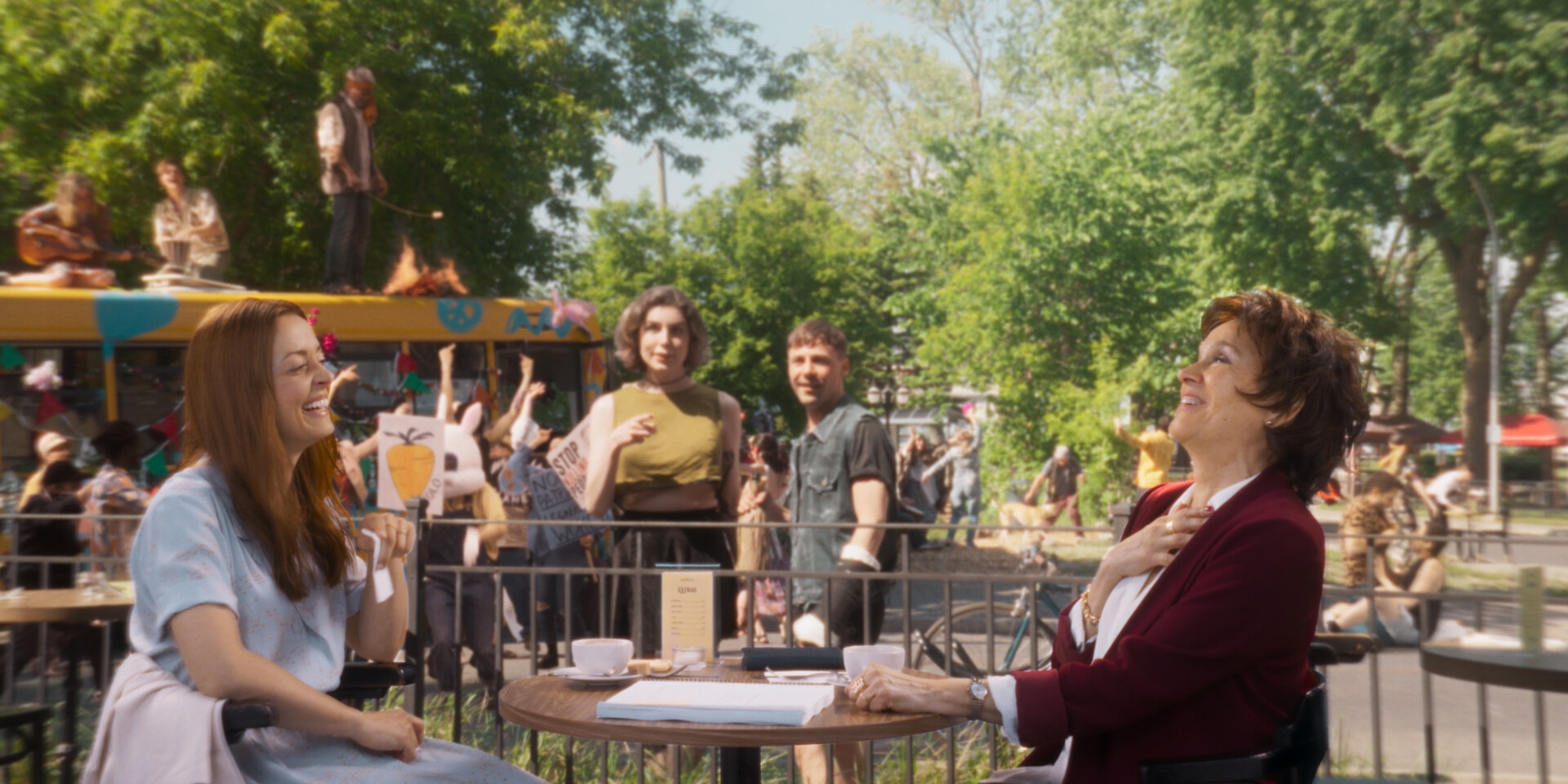
EXT. DAY - A sunny Sunday morning on a café terrace: Isabelle, an actor whose career is in a rut, meets Johanne, her agent, who might have a new part for her. Tension mounts both at the table and in the surroundings. Will expectations be met?

PosterFeature
Duino (FR)[COMPETITION]108 minutes

SPANISH • FRENCH ST | Argentinian filmmaker Matías is an intense perfectionist struggling to shape his autobiographical film as the past wriggles from his grip. Is Alexander—a dashing fabulist from Sweden he met in Italy as a boy—the lost love of his life? Or just a lovely, bittersweet dream? At the United World College of the Adriatic, with its diverse, exuberant student body, young Matías (Santiago Madrussan) finds a freedom he never knew in Argentina. There, he is befriended by Alexander (Oscar Morgan), whose rousing stories and bedroom eyes make the world more magical, and whose family’s vast holiday home becomes a memory palace for all that was left unsaid. In his 40s, Matías (co-writer/director Juan Pablo Di Pace) looks back at this time and, with a festival deadline looming, tries to fathom the sizzling closeness and coded interactions. A key piece of evidence lying dormant for when he least expects it. With its meta intrigues and captivating sweep, Duino is an elegiac masterwork crackling with swoon-worthy chemistry. A film that asks: how far are we willing to go for a proper conclusion, and what, in the end, remains voices in the wind?

PosterFeature
Baby (EN)[COMPETITION]107 minutes

PORTUGUESE • ENGLISH ST | Wellington (defiantly nicknamed Baby) trades his detention centre cell for the streets of São Paulo, absorbed into the life of an in-demand “escort” with old school methods. Torn between this erotic father figure, two chosen families, and the mother who left him, Wellington must discern which link is the strongest. Against a backdrop of corrupt cops, vengeful kingpins, and Brazilian ball culture, maybe-18-year-old Wellington (João Pedro Mariano) falls for 42-year-old sex worker cum drug dealer Ronaldo (Ricardo Teodoro), who has a son not much younger than Wellington being raised by lesbian mothers. The two share a charged, teasing bond with yo-yoing power dynamics. Wellington softens Ronaldo, schooling him in voguing’s ebullience and showing him his battle scars, while Ronaldo grounds his protege, giving him boxing lessons while doling out paternal advice and setting strict boundaries. Boundaries that Ronaldo is desperate to maintain and Wellington comes to resent when youthful potential and a biological parent draw him away. Propelled by Marcelo Caetano’s stylish direction, this gritty coming-of-age tale wrestles with themes of love and coercion, considering what’s still possible for a restless heart when a ‘baby’ becomes a man.

PosterFeatureVIRTUAL EXCLUSIVE
Out (FR)[ZEITGEIST]95 minutes

DUTCH • FRENCH ST | Capturing the recklessness of youth and the excitement of newfound sexual liberties in sensuous black-and-white cinematography, Dennis Alink’s Out offers up a vivid and tender tale of being young and gay. Tom (Bas Keizer, in a star-making performance) and Ajani (an effervescent Jefferson Yaw Frempong-Manson) are closeted secondary school sweethearts who yearn for life outside of their small-minded, rural community in the Netherlands. Their solution is Amsterdam, where the queer scene is thriving and they can work at their dreams of becoming filmmakers. Quickly falling into the Dutch capital’s gay nightlife offers the pair some initial thrills: cheeky games of Never Have I Ever, limo rides across the city, eye-opening trips to the bathhouse. But the challenges quickly follow, pushing them to separately question: “Who am I, and where do I fit in?” Recalling such classic monochromatic films about wayward youth as The Last Picture Show and Gus Van Sant’s Mala Noche, Alink and his queer collaborators present a lived-in, piercing portrait that proves coming out isn’t just a pronouncement of one’s sexuality, it’s a simultaneously joyous and heartbreaking journey of self-discovery.

PosterFeature
Thereafter (Después)[COMPETITION]97 minutes

Jorge is tousled and handsome, seemingly carefree, shouldering changes with cheerful resignation. But after his sudden death, his young mother and best friend, Carmen, is left grief-stricken, forced to reckon with the veracity of her son’s life, including his two lovers—one female, one male—left wondering why he’s ghosted them. At first, Carmen (Ludwika Paleta) refuses all comforts in the wake of her son’s death, cared for, despite her protests, by her kindly queer brother (Darío Rocas). Then, she goes digging. According to Jorge’s estranged father (Luis Velazquez), Jorge (Nicolás Haza) was depressed shortly before he drowned in the sea. Is this true—if so, why? And is this enough to prove his death was intentional? The search for answers will acquaint Carmen with Jorge’s jilted girlfriend (Adriana Palafox) and lovesick boyfriend (Alan Oliva), and reconcile her with a passion for music that hounds her even when she tries to leave it behind. In this expertly crafted tearjerker, writer-director Sofía Gómez-Córdova uses seamless flashbacks and home videos of happier times to reveal who the characters were. And Ludwika Paleta’s blistering performance-of-a-lifetime shows us who Carmen may be in the Thereafter.

PosterShort
La Rivière[COMPETITION]15 minutes

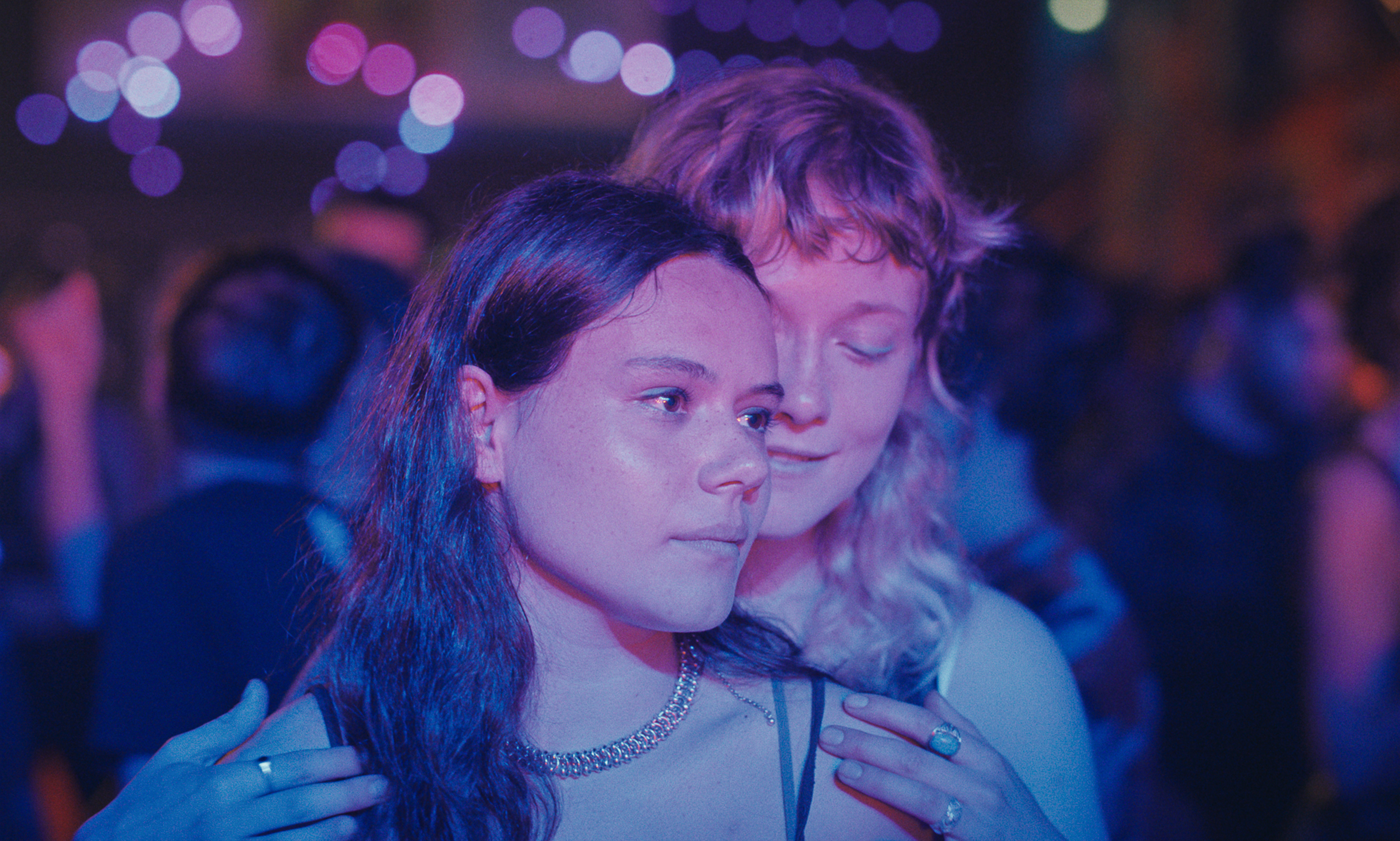
One afternoon, three high school students sneak out of their all-girls Catholic boarding school. Sunny, the new girl, has gone for a swim in the river. Sarah is eager to join her, even though Clémence disapproves.

PosterFeatureIN CINEMA
Baby[COMPETITION]107 minutesNOV 23 / 21:15

PORTUGUESE • FRENCH ST | Wellington (defiantly nicknamed Baby) trades his detention centre cell for the streets of São Paulo, absorbed into the life of an in-demand “escort” with old school methods. Torn between this erotic father figure, two chosen families, and the mother who left him, Wellington must discern which link is the strongest. Against a backdrop of corrupt cops, vengeful kingpins, and Brazilian ball culture, maybe-18-year-old Wellington (João Pedro Mariano) falls for 42-year-old sex worker cum drug dealer Ronaldo (Ricardo Teodoro), who has a son not much younger than Wellington being raised by lesbian mothers. The two share a charged, teasing bond with yo-yoing power dynamics. Wellington softens Ronaldo, schooling him in voguing’s ebullience and showing him his battle scars, while Ronaldo grounds his protege, giving him boxing lessons while doling out paternal advice and setting strict boundaries. Boundaries that Ronaldo is desperate to maintain and Wellington comes to resent when youthful potential and a biological parent draw him away. Propelled by Marcelo Caetano’s stylish direction, this gritty coming-of-age tale wrestles with themes of love and coercion, considering what’s still possible for a restless heart when a ‘baby’ becomes a man.

PosterShort
Hello Stranger [MADE AU CANADA]16 minutes

Between loads of laundry at the corner laundromat, Cooper shares the tumultuous story of her gender reassignment journey.

PosterFeatureVIRTUAL EXCLUSIVE
Sweet Angel Baby[ZEITGEIST]96 minutes

Small towns are no place for secrets. Among the churchgoing folk of a Newfoundland fishing village, Eliza leads a double-life: exploring transgressive photography while managing an unspoken romance with a shunned woman and the insistent advances of a married man. Hearsay only two steps behind. Sneaking around the neighbours, Eliza (Michaela Kurimsky) stages increasingly revealing photoshoots in locations both remote and close to home—perhaps too close. With every new post to her 318K Instagram followers, she imperils the careful balance she’s cultivated between her coexistence with fellow villagers, her burgeoning romance with Toni (Elle-Máijá Tailfeathers), and the married man (Peter Mooney) whose desire for her titillates as much as it terrifies. As a church fundraiser she’s helping to organize approaches, so too does a blaze of gossip, and choices are made that could leave her forever shattered. By turns kinky and kind-hearted, Melanie Oates’ second feature explores our wildest selves with a complexity that continues to deepen through to the final striking frame. All the while, embodying a true sense of place, depicting the rough shores and spirited personalities of one of the most isolated—and spectacular—of Canadian locales.

PosterDocumentaryVIRTUAL EXCLUSIVE
Desire Lines[COMPETITION]81 minutes

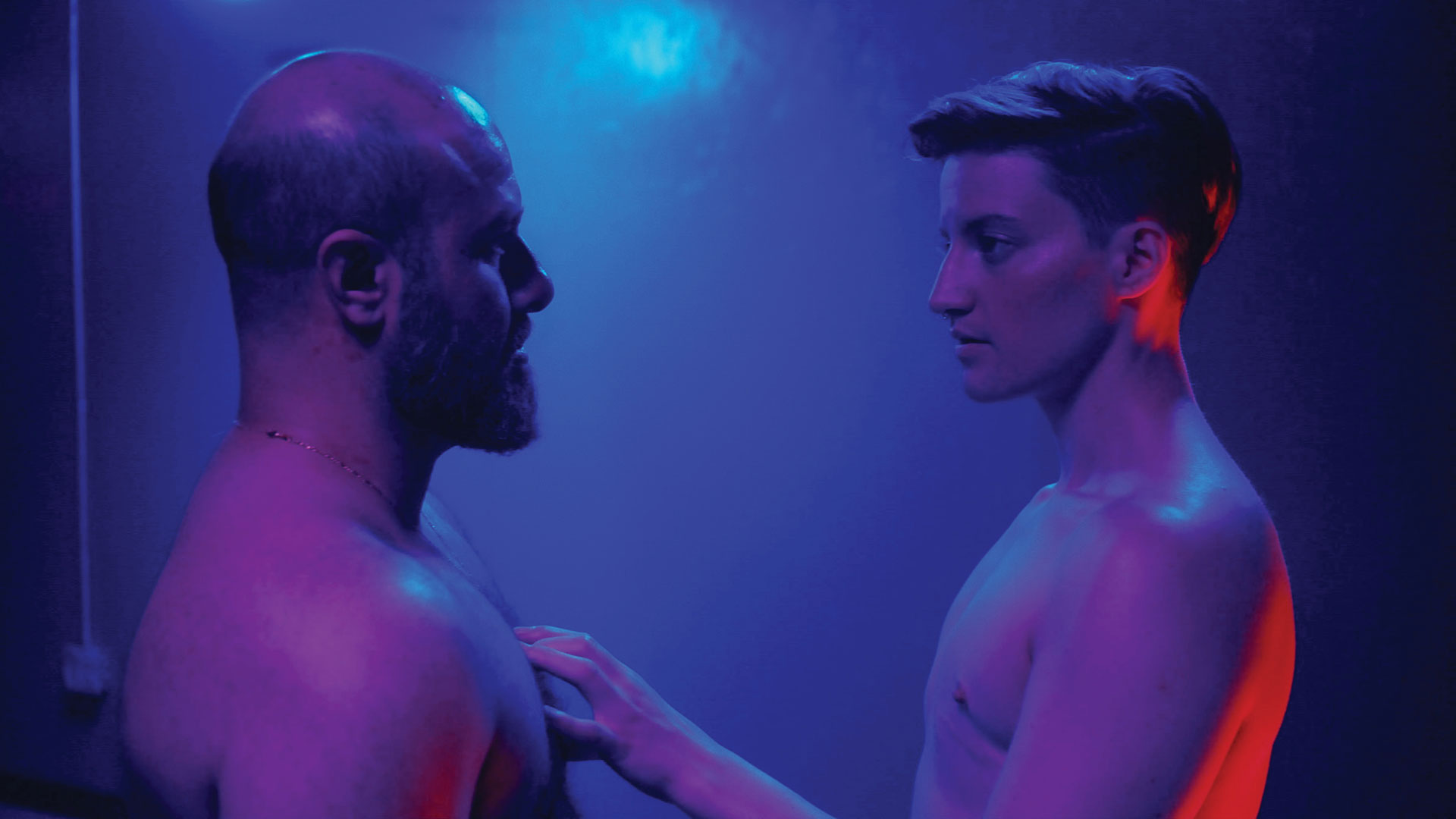
Struck by “archive fever,” a gay transmasculine Iranian-American searches for the roots of his desire. Navigating with us through this steamy hybrid documentary, he comes into contact with trailblazing transcestor Lou Sullivan, the contemporary lived experiences of other queer men, and the eroticism of his own unique body. With the assistance of young non-binary archivist Kieran (Theo Germain), older transman Ahmad (Aden Hakimi) delves into Chicago’s LGBTQ+ archives and the past and present bathhouses of Boystown to explore his homosexual longing. He learns—as we do through the real-life interviews and the history of raids and radical action that nest within this fictional storyline—that there is no one answer. There are as many points of view as there are interviewees. Archival footage of Lou Sullivan, who openly identified as trans and gay as far back as the 1970s, shows that though these conversations are not new, they are still very much necessary, connecting transmasculine gay men with themselves and the larger community. Jules Rosskam’s narratively frisky and hugely affecting film is a celebration of complexity, working to dissolve rigid labels and authoritative permission when it comes to narrating one’s own sexuality.

PosterShort
Extras[COMPETITION]15 minutes

EXT. DAY - A sunny Sunday morning on a café terrace: Isabelle, an actor whose career is in a rut, meets Johanne, her agent, who might have a new part for her. Tension mounts both at the table and in the surroundings. Will expectations be met?

PosterFeature
Duino (FR)[COMPETITION]108 minutes

SPANISH • FRENCH ST | Argentinian filmmaker Matías is an intense perfectionist struggling to shape his autobiographical film as the past wriggles from his grip. Is Alexander—a dashing fabulist from Sweden he met in Italy as a boy—the lost love of his life? Or just a lovely, bittersweet dream? At the United World College of the Adriatic, with its diverse, exuberant student body, young Matías (Santiago Madrussan) finds a freedom he never knew in Argentina. There, he is befriended by Alexander (Oscar Morgan), whose rousing stories and bedroom eyes make the world more magical, and whose family’s vast holiday home becomes a memory palace for all that was left unsaid. In his 40s, Matías (co-writer/director Juan Pablo Di Pace) looks back at this time and, with a festival deadline looming, tries to fathom the sizzling closeness and coded interactions. A key piece of evidence lying dormant for when he least expects it. With its meta intrigues and captivating sweep, Duino is an elegiac masterwork crackling with swoon-worthy chemistry. A film that asks: how far are we willing to go for a proper conclusion, and what, in the end, remains voices in the wind?

PosterFeature
Baby (EN)[COMPETITION]107 minutes

PORTUGUESE • ENGLISH ST | Wellington (defiantly nicknamed Baby) trades his detention centre cell for the streets of São Paulo, absorbed into the life of an in-demand “escort” with old school methods. Torn between this erotic father figure, two chosen families, and the mother who left him, Wellington must discern which link is the strongest. Against a backdrop of corrupt cops, vengeful kingpins, and Brazilian ball culture, maybe-18-year-old Wellington (João Pedro Mariano) falls for 42-year-old sex worker cum drug dealer Ronaldo (Ricardo Teodoro), who has a son not much younger than Wellington being raised by lesbian mothers. The two share a charged, teasing bond with yo-yoing power dynamics. Wellington softens Ronaldo, schooling him in voguing’s ebullience and showing him his battle scars, while Ronaldo grounds his protege, giving him boxing lessons while doling out paternal advice and setting strict boundaries. Boundaries that Ronaldo is desperate to maintain and Wellington comes to resent when youthful potential and a biological parent draw him away. Propelled by Marcelo Caetano’s stylish direction, this gritty coming-of-age tale wrestles with themes of love and coercion, considering what’s still possible for a restless heart when a ‘baby’ becomes a man.

PosterFeatureVIRTUAL EXCLUSIVE
Out (FR)[ZEITGEIST]95 minutes

DUTCH • FRENCH ST | Capturing the recklessness of youth and the excitement of newfound sexual liberties in sensuous black-and-white cinematography, Dennis Alink’s Out offers up a vivid and tender tale of being young and gay. Tom (Bas Keizer, in a star-making performance) and Ajani (an effervescent Jefferson Yaw Frempong-Manson) are closeted secondary school sweethearts who yearn for life outside of their small-minded, rural community in the Netherlands. Their solution is Amsterdam, where the queer scene is thriving and they can work at their dreams of becoming filmmakers. Quickly falling into the Dutch capital’s gay nightlife offers the pair some initial thrills: cheeky games of Never Have I Ever, limo rides across the city, eye-opening trips to the bathhouse. But the challenges quickly follow, pushing them to separately question: “Who am I, and where do I fit in?” Recalling such classic monochromatic films about wayward youth as The Last Picture Show and Gus Van Sant’s Mala Noche, Alink and his queer collaborators present a lived-in, piercing portrait that proves coming out isn’t just a pronouncement of one’s sexuality, it’s a simultaneously joyous and heartbreaking journey of self-discovery.

PosterFeature
Thereafter (Después)[COMPETITION]97 minutes

Jorge is tousled and handsome, seemingly carefree, shouldering changes with cheerful resignation. But after his sudden death, his young mother and best friend, Carmen, is left grief-stricken, forced to reckon with the veracity of her son’s life, including his two lovers—one female, one male—left wondering why he’s ghosted them. At first, Carmen (Ludwika Paleta) refuses all comforts in the wake of her son’s death, cared for, despite her protests, by her kindly queer brother (Darío Rocas). Then, she goes digging. According to Jorge’s estranged father (Luis Velazquez), Jorge (Nicolás Haza) was depressed shortly before he drowned in the sea. Is this true—if so, why? And is this enough to prove his death was intentional? The search for answers will acquaint Carmen with Jorge’s jilted girlfriend (Adriana Palafox) and lovesick boyfriend (Alan Oliva), and reconcile her with a passion for music that hounds her even when she tries to leave it behind. In this expertly crafted tearjerker, writer-director Sofía Gómez-Córdova uses seamless flashbacks and home videos of happier times to reveal who the characters were. And Ludwika Paleta’s blistering performance-of-a-lifetime shows us who Carmen may be in the Thereafter.

PosterShort
La Rivière[COMPETITION]15 minutes

One afternoon, three high school students sneak out of their all-girls Catholic boarding school. Sunny, the new girl, has gone for a swim in the river. Sarah is eager to join her, even though Clémence disapproves.

PosterFeatureIN CINEMA
Baby[COMPETITION]107 minutesNOV 23 / 21:15

PORTUGUESE • FRENCH ST | Wellington (defiantly nicknamed Baby) trades his detention centre cell for the streets of São Paulo, absorbed into the life of an in-demand “escort” with old school methods. Torn between this erotic father figure, two chosen families, and the mother who left him, Wellington must discern which link is the strongest. Against a backdrop of corrupt cops, vengeful kingpins, and Brazilian ball culture, maybe-18-year-old Wellington (João Pedro Mariano) falls for 42-year-old sex worker cum drug dealer Ronaldo (Ricardo Teodoro), who has a son not much younger than Wellington being raised by lesbian mothers. The two share a charged, teasing bond with yo-yoing power dynamics. Wellington softens Ronaldo, schooling him in voguing’s ebullience and showing him his battle scars, while Ronaldo grounds his protege, giving him boxing lessons while doling out paternal advice and setting strict boundaries. Boundaries that Ronaldo is desperate to maintain and Wellington comes to resent when youthful potential and a biological parent draw him away. Propelled by Marcelo Caetano’s stylish direction, this gritty coming-of-age tale wrestles with themes of love and coercion, considering what’s still possible for a restless heart when a ‘baby’ becomes a man.

PosterShort
Hello Stranger [MADE AU CANADA]16 minutes

Between loads of laundry at the corner laundromat, Cooper shares the tumultuous story of her gender reassignment journey.

PosterFeatureVIRTUAL EXCLUSIVE
Sweet Angel Baby[ZEITGEIST]96 minutes

Small towns are no place for secrets. Among the churchgoing folk of a Newfoundland fishing village, Eliza leads a double-life: exploring transgressive photography while managing an unspoken romance with a shunned woman and the insistent advances of a married man. Hearsay only two steps behind. Sneaking around the neighbours, Eliza (Michaela Kurimsky) stages increasingly revealing photoshoots in locations both remote and close to home—perhaps too close. With every new post to her 318K Instagram followers, she imperils the careful balance she’s cultivated between her coexistence with fellow villagers, her burgeoning romance with Toni (Elle-Máijá Tailfeathers), and the married man (Peter Mooney) whose desire for her titillates as much as it terrifies. As a church fundraiser she’s helping to organize approaches, so too does a blaze of gossip, and choices are made that could leave her forever shattered. By turns kinky and kind-hearted, Melanie Oates’ second feature explores our wildest selves with a complexity that continues to deepen through to the final striking frame. All the while, embodying a true sense of place, depicting the rough shores and spirited personalities of one of the most isolated—and spectacular—of Canadian locales.

PosterDocumentaryVIRTUAL EXCLUSIVE
Desire Lines[COMPETITION]81 minutes

Struck by “archive fever,” a gay transmasculine Iranian-American searches for the roots of his desire. Navigating with us through this steamy hybrid documentary, he comes into contact with trailblazing transcestor Lou Sullivan, the contemporary lived experiences of other queer men, and the eroticism of his own unique body. With the assistance of young non-binary archivist Kieran (Theo Germain), older transman Ahmad (Aden Hakimi) delves into Chicago’s LGBTQ+ archives and the past and present bathhouses of Boystown to explore his homosexual longing. He learns—as we do through the real-life interviews and the history of raids and radical action that nest within this fictional storyline—that there is no one answer. There are as many points of view as there are interviewees. Archival footage of Lou Sullivan, who openly identified as trans and gay as far back as the 1970s, shows that though these conversations are not new, they are still very much necessary, connecting transmasculine gay men with themselves and the larger community. Jules Rosskam’s narratively frisky and hugely affecting film is a celebration of complexity, working to dissolve rigid labels and authoritative permission when it comes to narrating one’s own sexuality.